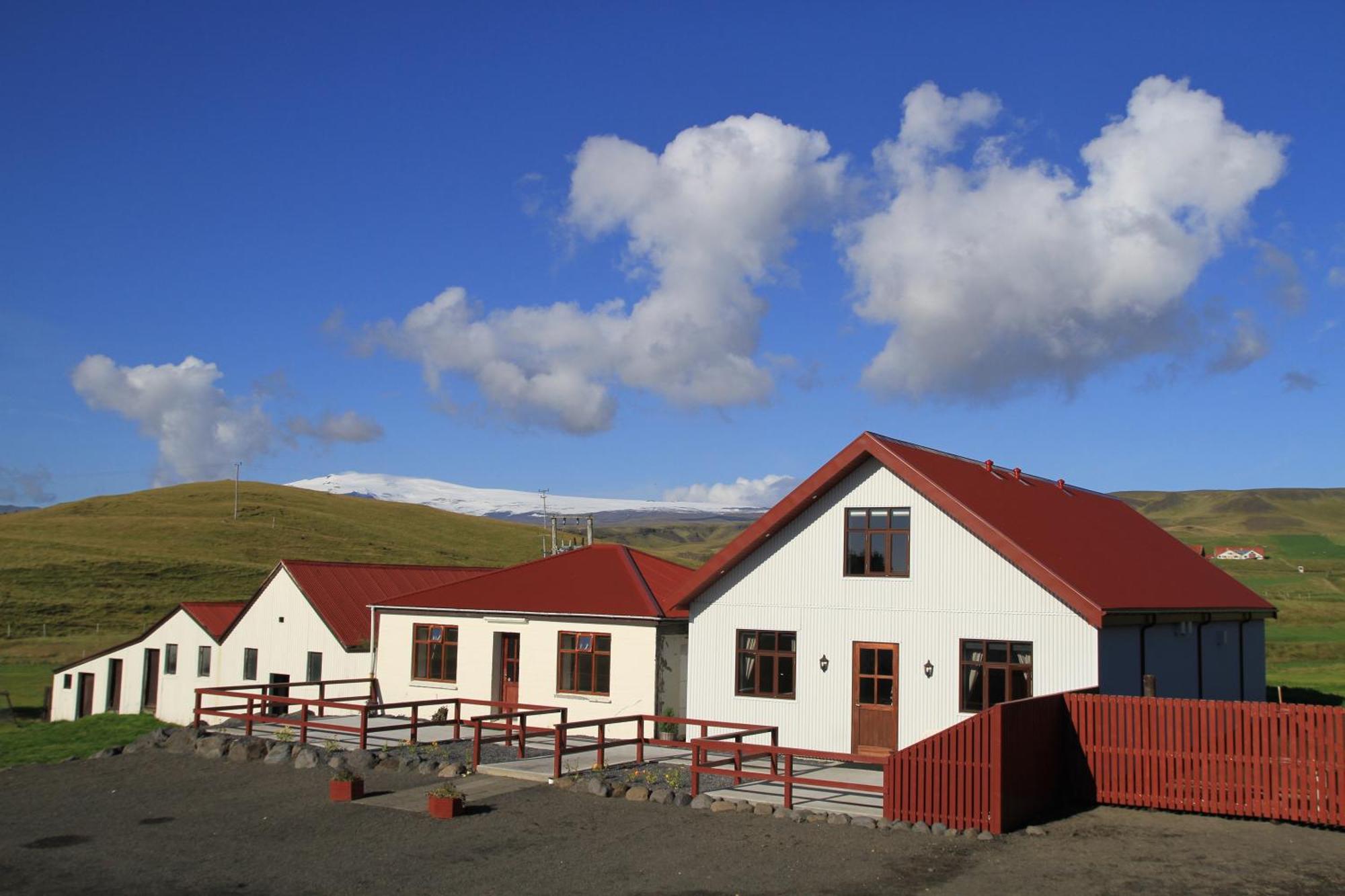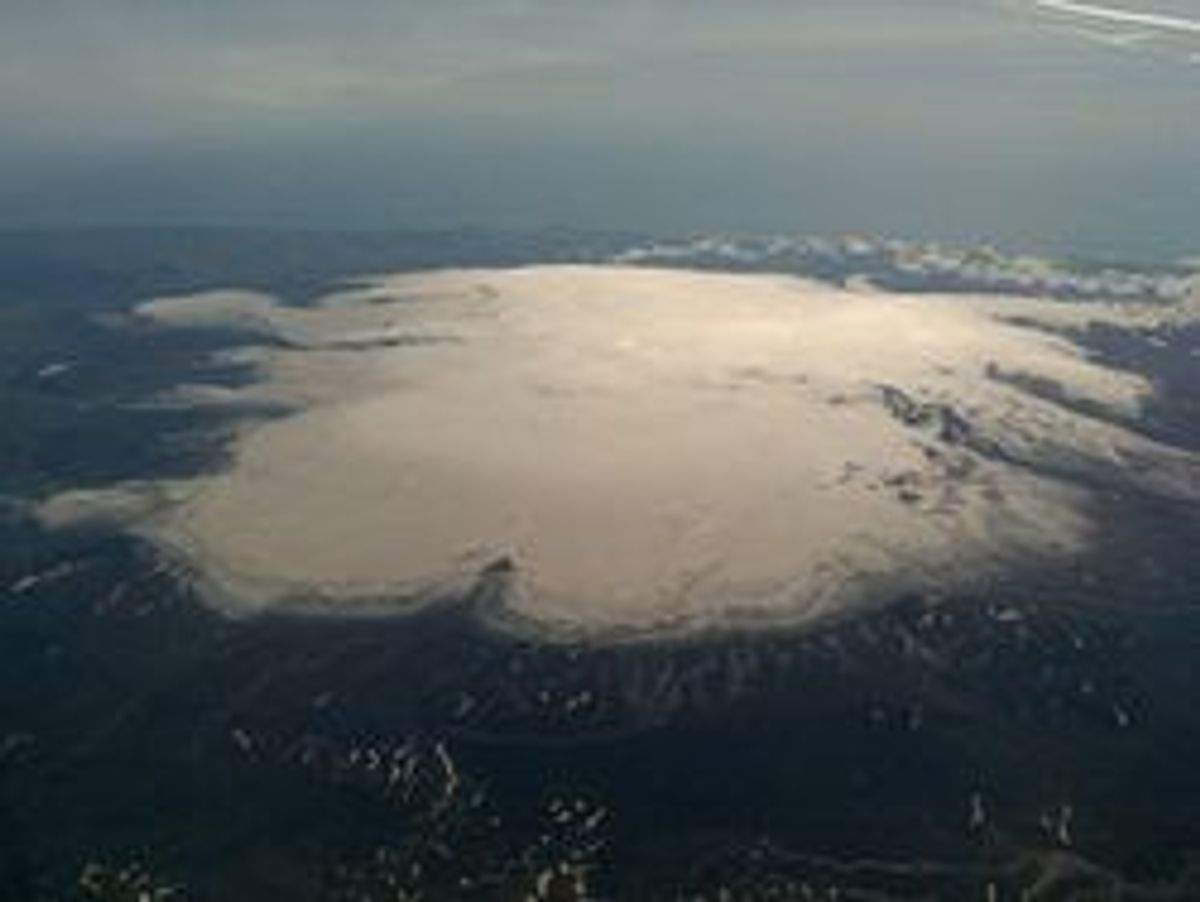
Mýrdalsjökull
Cuarto glaciar más grande de Islandia que cubre el volcán Katla activo.
About
About Mýrdalsjökull
Cuarto glaciar más grande de Islandia que cubre el volcán Katla activo.
Glacier walks and ice cave tours available
Background
History & Background
Mýrdalsjökull ha sido un sitio importante en el paisaje de Islandia. A lo largo de los años, este lugar ha desempeñado un papel importante en la cultura y la historia natural de Islandia.
Mýrdalsjökull is a remarkable glacier in Iceland. Mýrdalsjökull es un magnífico glaciar situado en el sur de Islandia. Esta antigua masa de hielo es parte del emblemático paisaje glaciar de Islandia. Los visitantes pueden ex... Mýrdalsjökull cubre la caldera Katla, el volcán más temido de Islandia, cuya erupción se prevé inminente después de 100 años de silencio. El glaciar se encuentra entre Vík y Þórsmörk y cubre 702 kilómetros cuadrados. La actividad geotérmica subglacial genera deshielo. Esta ubicación ofrece a los visitantes una oportunidad única de experimentar la belleza natural y el patrimonio cultural de Islandia.
Folklore
Story & Folklore
Mýrdalsjökull cubre 596 km² y esconde el volcán Katla, uno de los volcanes más activos de Islandia. Katla erupciona aproximadamente cada 40-80 años (última en 1918). El glaciar es popular para caminatas glaciares y cuevas de hielo.
💡 Did You Know?
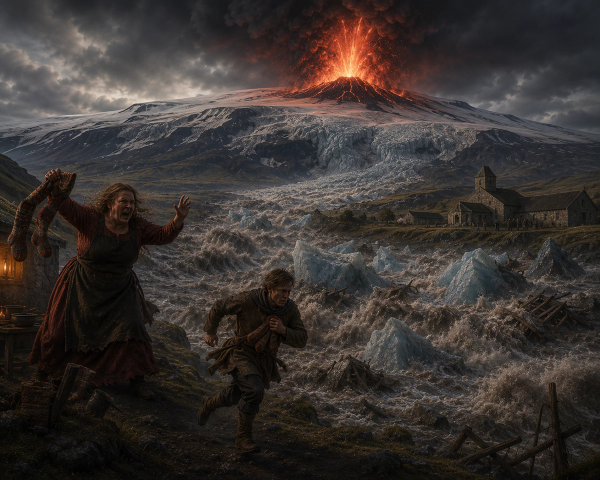
Katla volcano is overdue for eruption
Local Legend
The Ice Spirits of Mýrdalsjökull
In Icelandic folklore, Mýrdalsjökull is home to ancient ice spirits who have dwelled in the glacier for thousands of years. These spirits are said to guard the ice and punish those who disrespect the glacier. Locals believe the creaking and groaning sounds of the ice are the spirits communicating with each other.
Experiences
Tours Near Mýrdalsjökull
Best-rated Iceland experiences — book with free cancellation


Culture
Stories & Legends
Icelandic sagas and folklore from this area
Explore
Hidden Gems Nearby
✦ Glacier Sounds
Stop and listen — glaciers make haunting sounds as ice shifts and meltwater flows beneath the surface.
The creaking, groaning, and rushing sounds remind you that glaciers are living, moving rivers of ice.
✦ Ice Colors
Look carefully at the ice — you'll see shades of white, blue, and even black from volcanic ash layers.
The blue color comes from compressed ice that absorbs red light, and ash layers mark historical eruptions.
✦ Glacier Edge Ecology
The area where the glacier meets rock supports a unique micro-ecosystem of hardy organisms.
Pioneer plants and insects colonizing newly exposed land offer a real-time view of ecological succession.
Help
Frequently Asked Questions
Location
📍 Location
Discover
Explore Nearby
Places from our database within 1.0 km — all data from Sanity
Loading nearby places…
0 places found within 1.0 km
Plan full itinerary →Explore More