冰岛大学(Háskóli Íslands)
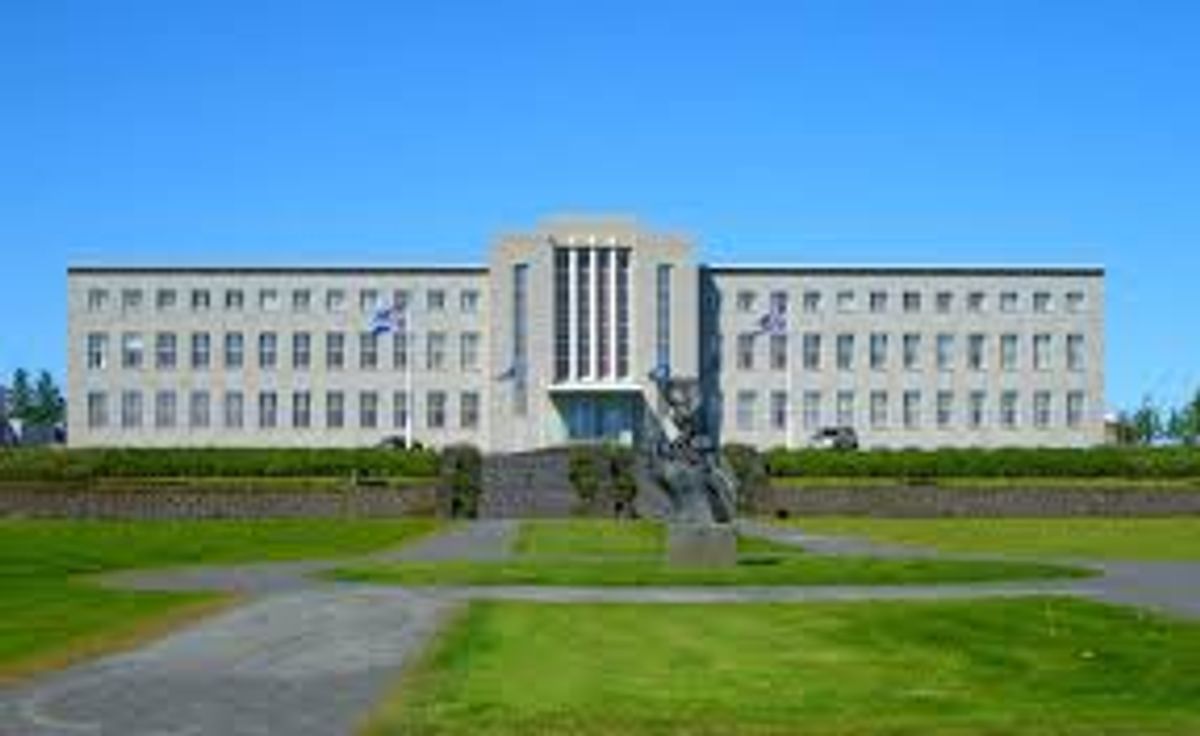
冰岛大学(Háskóli Íslands)成立于1911年,是冰岛最古老、最大的大学,约有14000名学生。位于雷克雅未克市中心大学区的醒目主楼由建筑师古德晏·塞缪尔森(哈尔格林姆斯基尔夏教堂的建筑师)设计,1940年竣工,是冰岛国家浪漫主义建筑最重要的代表之一。校园对公众开放。
About
About 冰岛大学(Háskóli Íslands)
冰岛大学(Háskóli Íslands)成立于1911年,是冰岛最古老、最大的大学,约有14000名学生。位于雷克雅未克市中心大学区的醒目主楼由建筑师古德晏·塞缪尔森(哈尔格林姆斯基尔夏教堂的建筑师)设计,1940年竣工,是冰岛国家浪漫主义建筑最重要的代表之一。校园对公众开放。
Háskóli Íslands (University of Iceland), founded in 1911, is the oldest and largest university in Iceland with around 14,000 students.
Background
History & Background
Founded 1911 with four faculties: theology, medicine, law and philosophy. It was one of the first institutions to teach in Icelandic (rather than Danish) as a political statement of national identity. The current main building was completed 1940, designed by Guðjón Samúelsson. The university grew rapidly after Icelandic independence in 1944 and now has campuses across Reykjavík.
Háskóli Íslands was founded in 1911, just 11 years after Reykjavík got its first electricity and three years before Iceland got its first telegraph connection. The decision to establish a university at this early stage of national development reflects the extraordinary value Icelanders have always placed on learning and literature — a tradition dating back to the saga writers of the 13th century. The university now has eight faculties covering arts, sciences, engineering, medicine, social sciences, law, business and education. It has produced the vast majority of Iceland's academic and intellectual leadership. The main building on Suðurgata is open to the public and worth visiting for its architecture alone. The central hall features portraits of Icelandic scholars and the dramatic staircase is one of the finest interior spaces in Reykjavík. The campus also contains the Nordic House next door and several other significant cultural institutions.
Folklore
Story & Folklore
Háskóli Íslands (University of Iceland), founded in 1911, is the oldest and largest university in Iceland with around 14,000 students. The striking main building in the university district in central Reykjavík, designed by architect Guðjón Samúelsson (also the architect of Hallgrímskirkja), was completed in 1940 and is one of the most important examples of Icelandic national romantic architecture. The campus is open to the public.
💡 Did You Know?
Iceland has one of the highest rates of university enrolment per capita in the world — about 40% of adults have a university degree. The country also publishes more books per capita than any other nation.
Local Legend
A Nation Educating Itself
When Iceland founded its university in 1911, most of the country had no roads and no electricity. But the parliament decided: a university comes first.
Culture
Stories & Legends
Icelandic sagas and folklore from this area
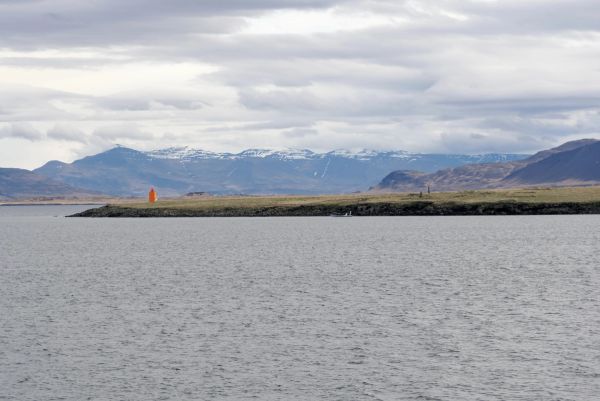
Engey
Engey is a historic location in Iceland mentioned in "Njáls saga", one of the ancient Íslendingasögur (Sagas of Icelanders). These medieval narratives preserve the history of Iceland's Viking Age settlement.

Reykjavík
Reykjavík is a historic location in Iceland mentioned in "Harðar saga og Hólmverja", one of the ancient Íslendingasögur (Sagas of Icelanders). These medieval narratives preserve the history of Iceland's Viking Age settlement.
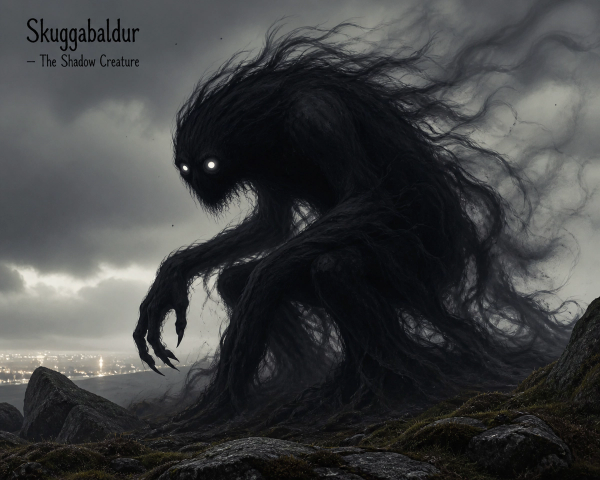
Skuggabaldur – The Shadow Creature
Skuggabaldur: A phantom dog guarding forgotten paths.
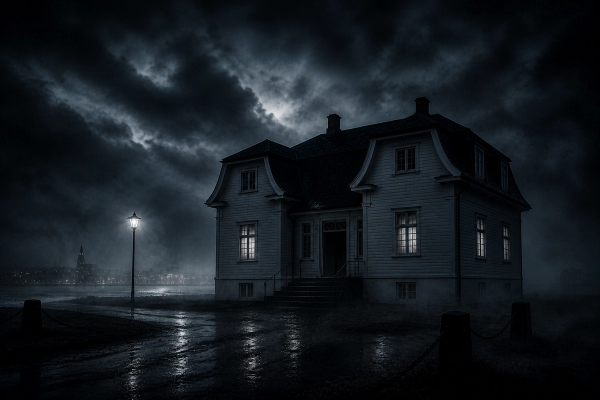
Höfði House – Reykjavík's Haunted Mansion
Höfði House: Reykjavík's historic mansion with a chilling paranormal past.
Explore
Hidden Gems Nearby
✦ The Main Hall Portraits
The central hall of the main building is lined with portraits of Iceland's greatest scholars and intellectuals — a quiet, moving tribute to a small nation's intellectual ambition.
✦ The Campus in Autumn
The university campus in September, with the first frost on the grass and students crowding the café, has a particular Icelandic autumn atmosphere that's completely different from the tourist version of Reykjavík.
Help
Frequently Asked Questions
Location
📍 Location
Discover
Explore Nearby
Places from our database within 1.0 km — all data from Sanity
Loading nearby places…
0 places found within 1.0 km
Plan full itinerary →Explore More