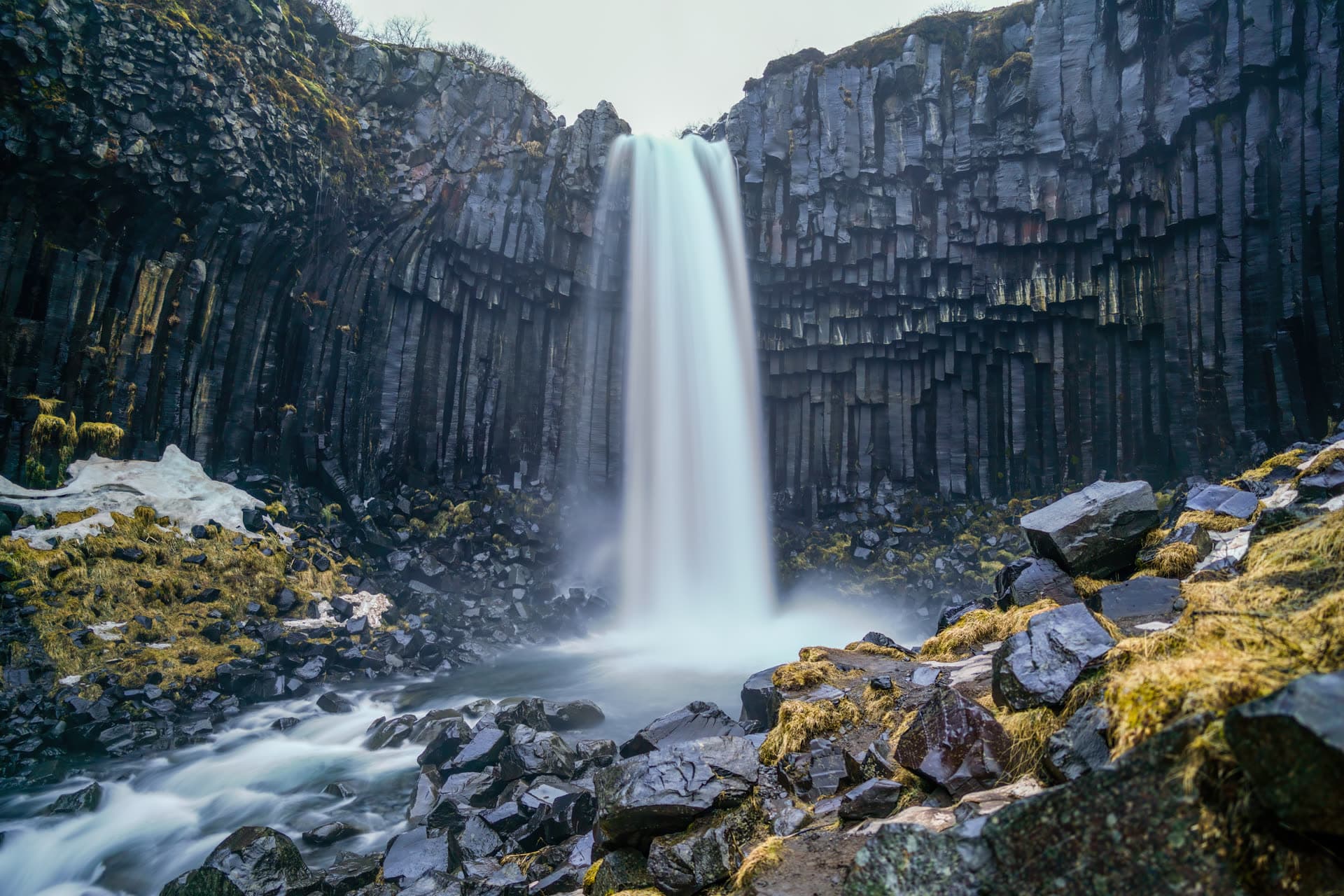
Camping is one of the best ways to experience Iceland — waking up next to a waterfall or falling asleep under a possible aurora. But camping in Iceland comes with its own rules and challenges. The weather is unpredictable, wild camping is illegal, and the season is shorter than you might expect.
Camping season and rules
The Icelandic camping season runs from approximately late May to early September. Outside this window, most campsites close and the weather becomes genuinely harsh. July and August are peak season with mild temperatures and continuous daylight.
Wild camping (camping outside official designated campsites) is illegal in Iceland under the Nature Conservation Act. You must always use a registered campsite.
- •Camp only at designated, registered campsites
- •No open fires on the land — use campsite cooking facilities or a camp stove
- •Book popular campsites in advance for July and August
- •No driving off-road — even briefly to reach a "better" camping spot
- •Pack out all waste — Iceland has strict Leave No Trace principles
- •Respect wildlife and livestock — sheep roam campsite areas freely
What to pack
Iceland's weather is notoriously unpredictable — you can experience rain, wind, sunshine and hail within a single afternoon. Your camping kit needs to handle all of it.
- •Sleeping bag rated to at least -5°C — even summer nights can be cold
- •Insulating sleeping mat — ground insulation is as important as the bag
- •Waterproof tent — wind-rated, not just "shower-proof"
- •Full waterproofs: jacket and trousers (not just a rain jacket)
- •Warm base and mid layers — merino wool or fleece for evenings
- •Lightweight camp stove and fuel (butane/propane canisters available in Reykjavík)
- •Headtorch — useful even in summer for tent interiors
- •Camp towel, earplugs (continuous daylight makes sleeping harder)
Budget and costs
Camping is one of the most affordable ways to travel Iceland. Campsite fees typically range from 1,500 to 2,500 ISK per person per night (approximately €10–17). Highland campsites accessed via F-roads are often simpler and cheaper.
The Camping Card (Tjaldakorti) is available for purchase at the first campsite you visit and gives unlimited nights at over 40 participating campsites for a fixed price — excellent value for two-week trips.
Campsite resources
Iceland has hundreds of registered campsites from basic Highland posts to well-equipped sites with hot showers, kitchens and laundry. Most major campsites are listed on tjalda.is.
- •tjalda.is — official Icelandic campsite directory and booking
- •road.is — road conditions before Highland camping trips
- •safetravel.is — register your Highland route
- •vedur.is — weather forecast (essential before pitching)