Breiðamerkursandur/Diamond Beach
Diamond Beach is a black volcanic sand beach adjacent to Jökulsárlón lagoon where clear ancient ice blocks washed ashore from the glacial lagoon glitter like di…
About
About Breiðamerkursandur/Diamond Beach
Diamond Beach is a black volcanic sand beach adjacent to Jökulsárlón lagoon where clear ancient ice blocks washed ashore from the glacial lagoon glitter like diamonds against the dark sand.
Witness nature's ephemeral art gallery where ancient ice meets volcanic sand, creating stunning contrasts.
Background
History & Background
The beach gets its name from the stunning sight of ice blocks — some centuries old — that drift through Jökulsárlón lagoon and wash ashore on the black sand. The ice is incredibly pure and ancient, calved from the Breiðamerkurjökull glacier. When sunlight catches the ice, each block glitters like a giant diamond. The beach and lagoon together are considered Iceland's most spectacular natural locations for landscape photography.
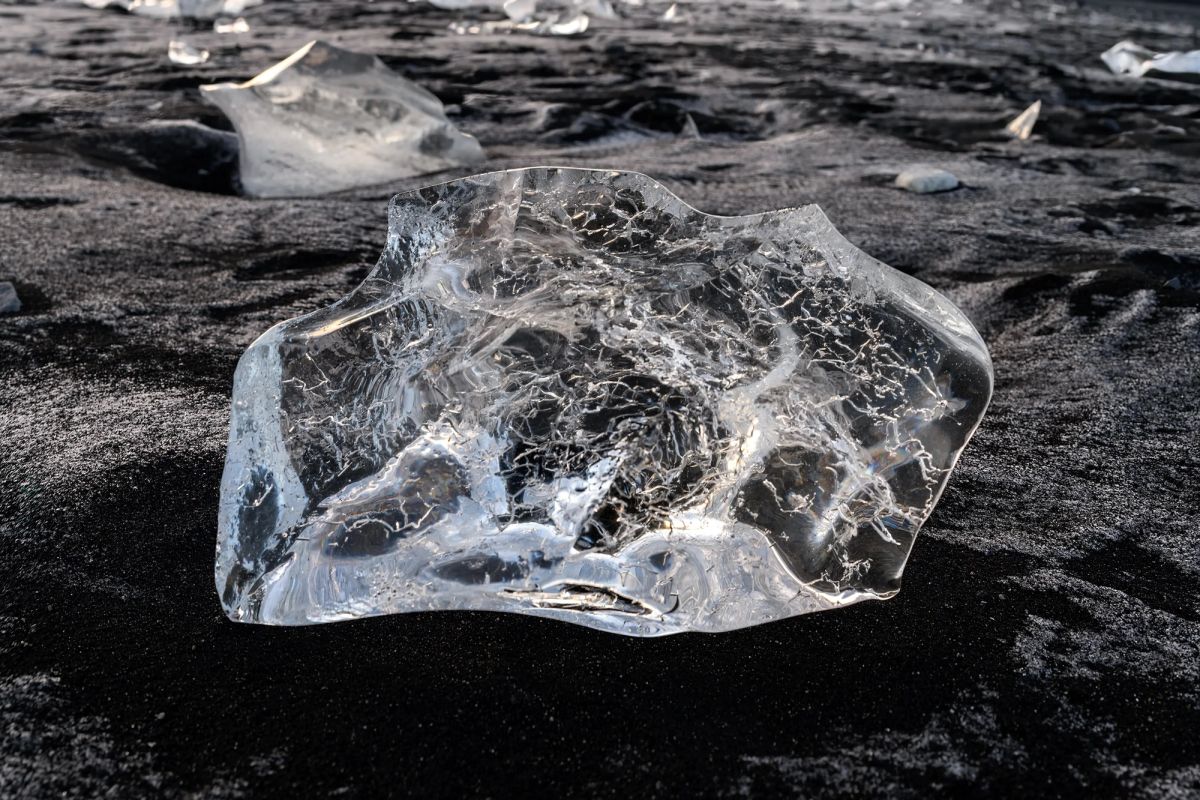
Diamond Beach, or Breiðamerkursandur as it's known locally, is one of Iceland's most captivating natural attractions. Located in South Iceland, this black volcanic sand beach is adjacent to the famous Jökulsárlón glacier lagoon. It's here that large chunks of crystal-clear glacial ice, calved from the Vatnajökull glacier, drift from the lagoon and wash ashore, creating a stunning visual feast. The ice pieces, often translucent blue-white from centuries of compression, gleam against the dark sand like scattered diamonds, their intricate internal patterns catching the light, as seen in the image. This unique setting, where brilliant white ice contrasts dramatically with jet-black volcanic sand and the vast North Atlantic, offers unparalleled photographic opportunities. While the scene is ever-changing due to the continuous arrival and melting of ice, visitors should always be mindful of sneaker waves, which can be extremely dangerous – never turn your back on the ocean. The beach is a significant glacial outwash plain within the municipality of Hor and is easily accessible via a 5-minute walk from the main Jökulsárlón glacier lagoon.
Folklore
Story & Folklore
Diamond Beach is no mere marketing name; it's a breathtaking natural spectacle. Here, magnificent glacier ice, born from the depths of Jökulsárlón, washes ashore onto the jet-black volcanic sand. Each piece, compressed for centuries, boasts intricate patterns and a translucent blue-white hue, catching and refracting the sunlight like a scattered treasure of diamonds. The image perfectly captures one such exquisite ice sculpture, its internal cracks and facets shimmering against the dark, textured sand. With the North Atlantic providing a dramatic backdrop, this ephemeral art display is constantly reshaped by the tides, ensuring every visit offers a unique and unforgettable encounter with Iceland's raw beauty.
💡 Did You Know?
Breiðamerkursandur, often called Diamond Beach, is a significant glacial outwash plain, and some ice pieces can be up to 1,000 years old.
Local Legend
The Seal Woman of Diamond Beach
An old tale tells of a seal woman (selkie) who came ashore at Diamond Beach and transformed into a beautiful woman. She lived among humans for many years before returning to the sea. On quiet evenings, locals claim you can still hear her singing from the waves, calling to her family on land.
Experiences
Tours Near Breiðamerkursandur/Diamond Beach
Best-rated Iceland experiences — book with free cancellation


Explore
Hidden Gems Nearby
✦ Tidal Patterns
The black sand creates stunning patterns as the waves retreat, especially at low tide.
The interplay of water, sand texture, and reflected sky creates naturally artistic compositions that are constantly changing.
✦ Rock Formations
Explore the rock formations at the edges of the beach — many feature columnar basalt and small caves.
These geological features add variety to your beach visit and often shelter small tidal pools with marine life.
✦ Seabird Watching
Bring binoculars to spot seabirds nesting on nearby cliffs, especially during summer months.
In breeding season (May-August), you can often see puffins, fulmars, and guillemots from the beach.
Help
Frequently Asked Questions
Location
📍 Location
Discover
Explore Nearby
Places from our database within 1.0 km — all data from Sanity
Loading nearby places…
0 places found within 1.0 km
Plan full itinerary →Explore More