Íslandsvarðan
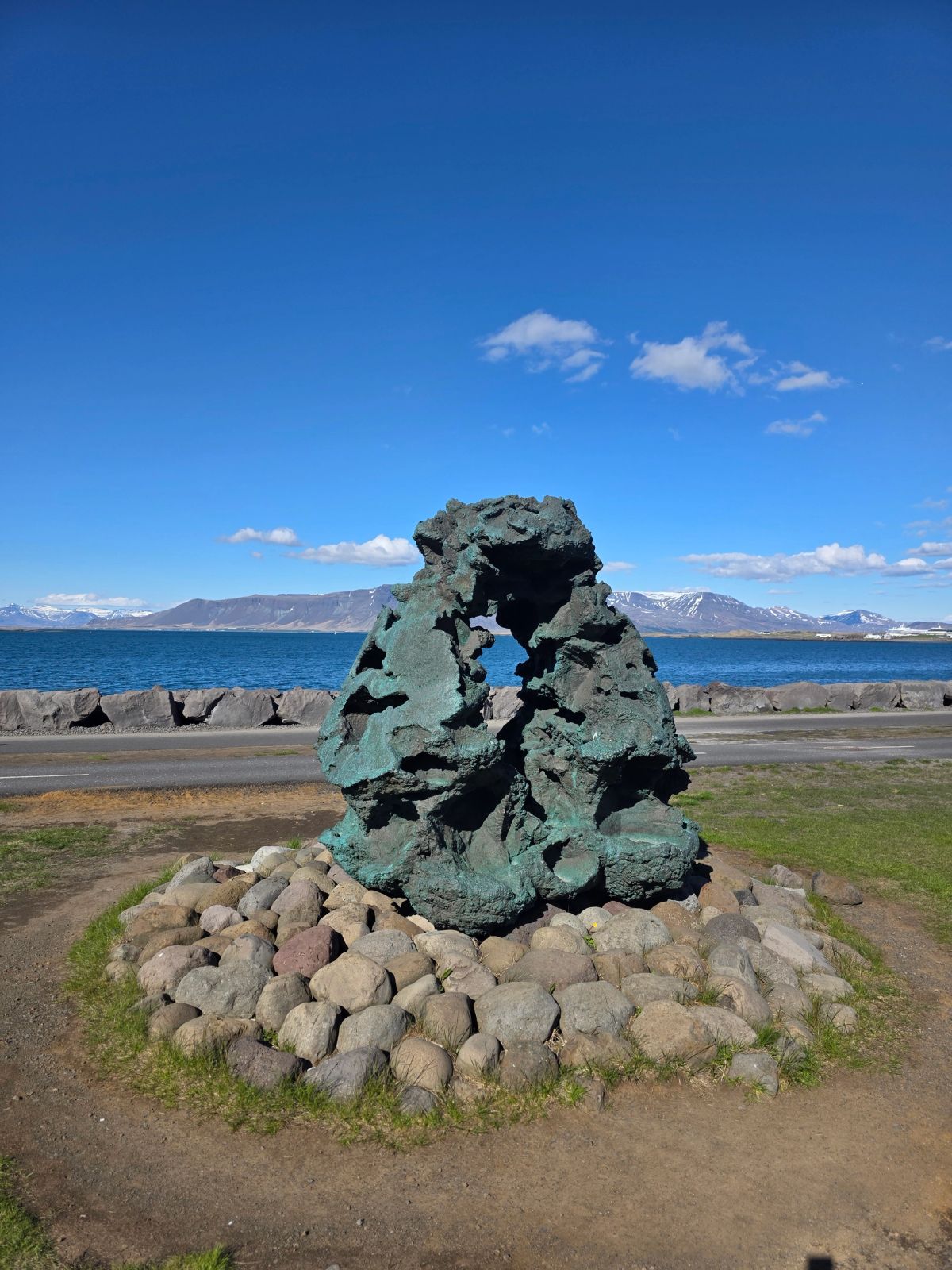
A bronze coastal sculpture by Jóhann Eyfells on Reykjavík’s Sæbraut shoreline, inspired by traditional Icelandic cairns and framing views across Faxaflói Bay.
About
About Íslandsvarðan
A bronze coastal sculpture by Jóhann Eyfells on Reykjavík’s Sæbraut shoreline, inspired by traditional Icelandic cairns and framing views across Faxaflói Bay.
See a modern sculpture inspired by traditional Icelandic cairns that frames beautiful views across Faxaflói Bay along Reykjavík’s scenic shoreline path.
Background
History & Background
Íslandsvarðan was created by Icelandic sculptor Jóhann Eyfells as part of Reykjavík’s shoreline sculpture installations along Sæbraut. The work reinterprets the traditional Icelandic route marker known as a varða using cast bronze instead of stacked stone, linking historic travel culture with contemporary public art. Today, the sculpture forms part of Reykjavík’s Sculpture and Shore Walk — a series of artworks placed along the coastline where visitors can explore the relationship between Icelandic landscape, navigation traditions, and modern artistic expression.
Íslandsvarðan is a bronze outdoor sculpture located along the shoreline at Sæbraut in Reykjavík. Created by Icelandic artist Jóhann Eyfells, the work draws inspiration from the traditional stone cairns that once served as essential route markers across Iceland’s open landscapes. These cairns helped travellers navigate between farms and settlements long before roads or modern navigation systems existed. Íslandsvarðan reinterprets this historic form in a contemporary sculptural language. Cast in bronze using natural earth-mould techniques, the sculpture reflects both the rugged character of Icelandic terrain and the long-standing cultural importance of cairns as symbols of orientation and movement through the landscape. Its circular opening frames views across Faxaflói Bay, encouraging visitors to engage directly with the surrounding coastline and distant mountains. The sculpture stands along Reykjavík’s Sculpture and Shore Walk, one of the city’s most popular waterfront walking routes. From this location, visitors can experience the meeting point of contemporary Icelandic art and the natural coastal environment that has shaped Reykjavík’s history as a harbour city. Today, Íslandsvarðan serves as both a cultural landmark and a quiet viewing point along the shoreline, linking Iceland’s traditional travel heritage with modern public art in the capital.
Folklore
Story & Folklore
Íslandsvarðan stands along the shoreline at Sæbraut as a modern interpretation of one of Iceland’s oldest travel traditions: the stone cairn. For centuries, cairns were built across Iceland’s open landscapes to guide travellers safely between settlements, especially in difficult weather or low visibility. They served as quiet but essential landmarks long before roads or navigation systems existed. Icelandic sculptor Jóhann Eyfells reimagined this historic form in bronze, creating a sculpture that connects past and present through landscape and perspective. Unlike traditional cairns built from stacked stones, Íslandsvarðan uses a smooth circular opening that frames the horizon across Faxaflói Bay and the mountains beyond. Placed beside one of Reykjavík’s most popular coastal walking routes, the sculpture invites visitors to pause and look outward — just as travellers once did when navigating by cairns across the countryside. Today, Íslandsvarðan forms part of the Sculpture and Shore Walk, where contemporary art and Iceland’s maritime landscape meet along the edge of the capital.
💡 Did You Know?
The circular opening in Íslandsvarðan is designed to frame the horizon and mountains across the bay — echoing how traditional cairns helped travellers orient themselves in the landscape.
Local Legend
A Modern Cairn by the Sea
For centuries, stone cairns helped travellers cross Iceland’s open landscapes long before marked roads existed. These simple piles of stones guided people safely between farms and coastal settlements, especially in fog, snow, or darkness. Íslandsvarðan reflects this tradition in a modern sculptural form placed along Reykjavík’s shoreline. Rather than marking a remote mountain route, this cairn now stands beside the sea, where walkers follow one of the capital’s most scenic coastal paths. The circular opening invites visitors to stop and look outward across Faxaflói Bay, echoing the way travellers once paused at cairns to confirm their direction before continuing their journey.
Experiences
Tours Near Íslandsvarðan
Best-rated Iceland experiences — book with free cancellation


Culture
Stories & Legends
Icelandic sagas and folklore from this area
Engey
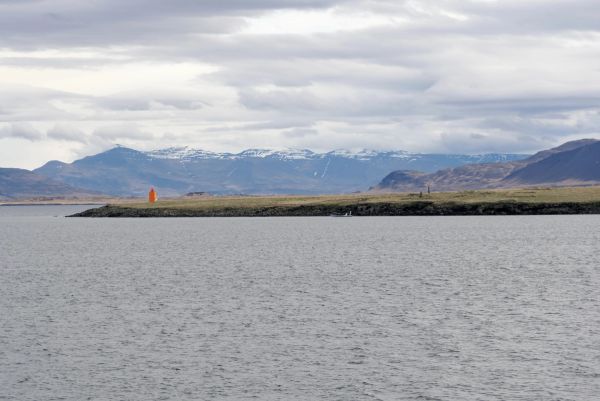
Engey is a historic location in Iceland mentioned in "Njáls saga", one of the ancient Íslendingasögur (Sagas of Icelanders). These medieval narratives preserve the history of Iceland's Viking Age settlement.

Reykjavík
Reykjavík is a historic location in Iceland mentioned in "Harðar saga og Hólmverja", one of the ancient Íslendingasögur (Sagas of Icelanders). These medieval narratives preserve the history of Iceland's Viking Age settlement.
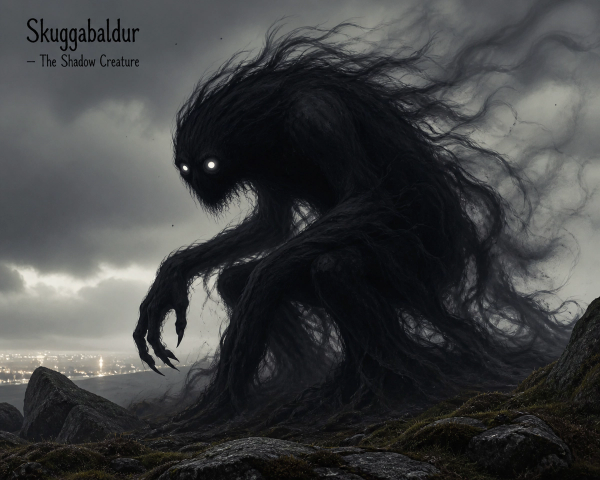
Skuggabaldur – The Shadow Creature
Skuggabaldur: A phantom dog guarding forgotten paths.

Höfði House – Reykjavík's Haunted Mansion
Höfði House: Reykjavík's historic mansion with a chilling paranormal past.
Location
📍 Location
Discover
Explore Nearby
Places from our database within 1.0 km — all data from Sanity
Loading nearby places…
0 places found within 1.0 km
Plan full itinerary →Explore More