About
About Jónas Hallgrímsson
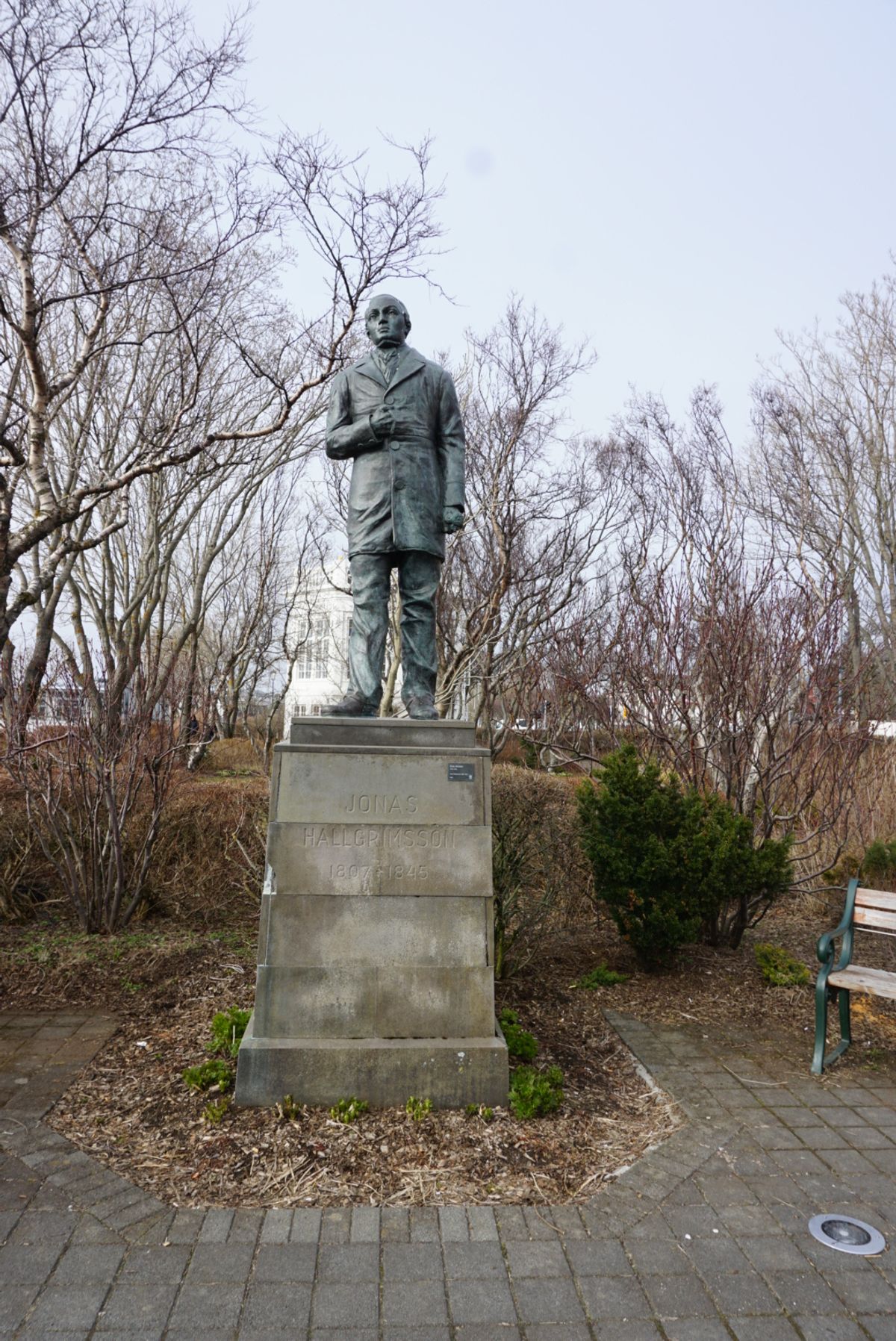
Jónas Hallgrímsson memorial in Reykjavík honors one of Iceland’s most beloved poets and pioneers of modern Icelandic literature.
A meaningful tribute to one of Iceland’s greatest literary figures and a cornerstone of national identity.
Background
History & Background
Jónas Hallgrímsson was a leading figure of Iceland’s 19th-century cultural revival. Born in 1807, he became one of the country’s most important poets and intellectuals. His involvement in Fjölnir helped promote Icelandic language, literature, and national consciousness during a time of Danish rule. He studied in Denmark but maintained a strong connection to Iceland, using his work to celebrate its natural beauty and cultural heritage. His poetry marked a turning point in Icelandic literature, blending romantic influences with a deep sense of place. After his death in 1845, Jónas’s influence continued to grow, and he is now regarded as one of Iceland’s national poets. The memorial in Reykjavík serves as a lasting tribute to his contributions and enduring legacy.
The Jónas Hallgrímsson memorial in Reykjavík honors one of Iceland’s most influential poets, scientists, and cultural figures. Living from 1807 to 1845, Jónas Hallgrímsson played a central role in shaping modern Icelandic literature and strengthening national identity during a period of cultural awakening. The memorial typically depicts Jónas in a thoughtful, reflective pose, emphasizing his role as a writer deeply connected to nature and language. His work often drew inspiration from Iceland’s landscapes—its mountains, rivers, and changing seasons—helping to define how the country saw itself in literary form. He was also a co-founder of the journal Fjölnir, which became a key platform for promoting Icelandic language, culture, and independence. More than just a poet, Jónas contributed to the development of modern Icelandic vocabulary, creating new words to describe scientific and natural concepts. This effort helped preserve the language while allowing it to evolve with the times. The memorial stands not only as a tribute to an individual, but as a symbol of creativity and cultural resilience. Located in an accessible urban setting, it invites visitors to reflect on the importance of language, literature, and identity in shaping a nation.
Folklore
Story & Folklore
The memorial to Jónas Hallgrímsson stands as a quiet reminder of the power of words. Unlike monuments to warriors or rulers, this one honors a poet—someone whose influence came not from force, but from language and imagination. In the 19th century, Jónas was part of a movement that sought to preserve and strengthen Icelandic identity. Through poetry and writing, he helped reconnect people with their language, landscape, and heritage. Standing near the memorial, it’s easy to reflect on how something as simple as words can shape a nation. His poetry often drew inspiration from Iceland’s nature—its mountains, rivers, and skies—bringing them into the cultural consciousness in a new way. Today, the monument represents more than a single person. It stands for creativity, expression, and the enduring connection between language and identity in Iceland.
💡 Did You Know?
Jónas Hallgrímsson helped shape modern Icelandic vocabulary, coining new words still used in the language today.
Local Legend
The Poet of the Wind
Some say that on quiet days, when the wind moves gently through the city, it carries something more than just sound. Near the memorial, visitors have described a subtle feeling—as if words linger in the air. It’s said that Jónas, whose poetry was deeply tied to nature, never fully left the landscapes that inspired him. Instead, his presence remains in the wind, in the rhythm of the surroundings, and in the quiet moments between sounds. Whether imagination or atmosphere, the idea persists that his voice is still part of the environment he once described so vividly.
Experiences
Tours Near Jónas Hallgrímsson
Best-rated Iceland experiences — book with free cancellation


Culture
Stories & Legends
Icelandic sagas and folklore from this area
Engey
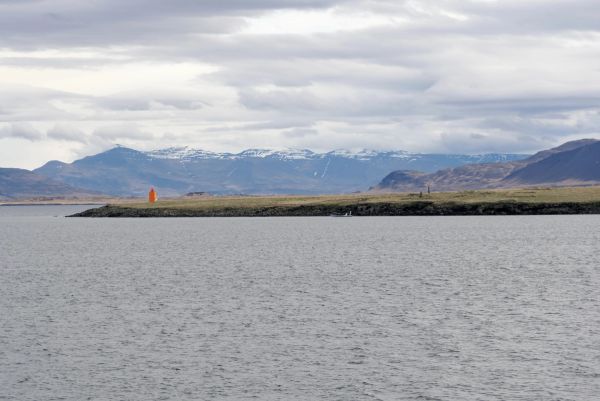
Engey is a historic location in Iceland mentioned in "Njáls saga", one of the ancient Íslendingasögur (Sagas of Icelanders). These medieval narratives preserve the history of Iceland's Viking Age settlement.

Reykjavík
Reykjavík is a historic location in Iceland mentioned in "Harðar saga og Hólmverja", one of the ancient Íslendingasögur (Sagas of Icelanders). These medieval narratives preserve the history of Iceland's Viking Age settlement.
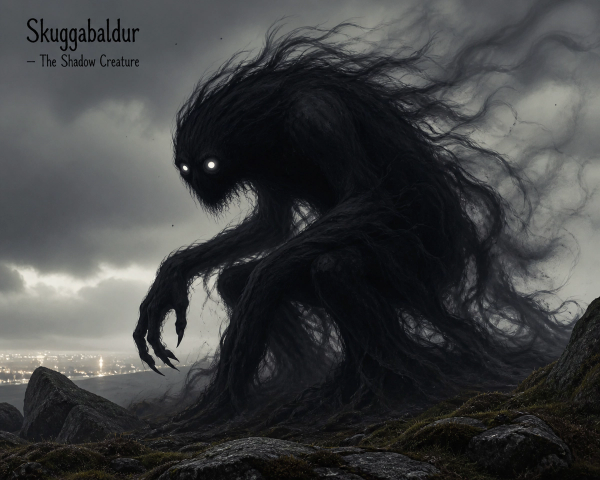
Skuggabaldur – The Shadow Creature
Skuggabaldur: A phantom dog guarding forgotten paths.
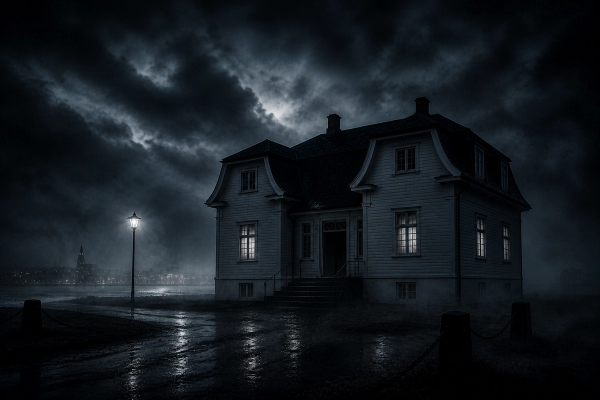
Höfði House – Reykjavík's Haunted Mansion
Höfði House: Reykjavík's historic mansion with a chilling paranormal past.
Location
📍 Location
Discover
Explore Nearby
Places from our database within 1.0 km — all data from Sanity
Loading nearby places…
0 places found within 1.0 km
Plan full itinerary →Explore More