Langholtskirkja
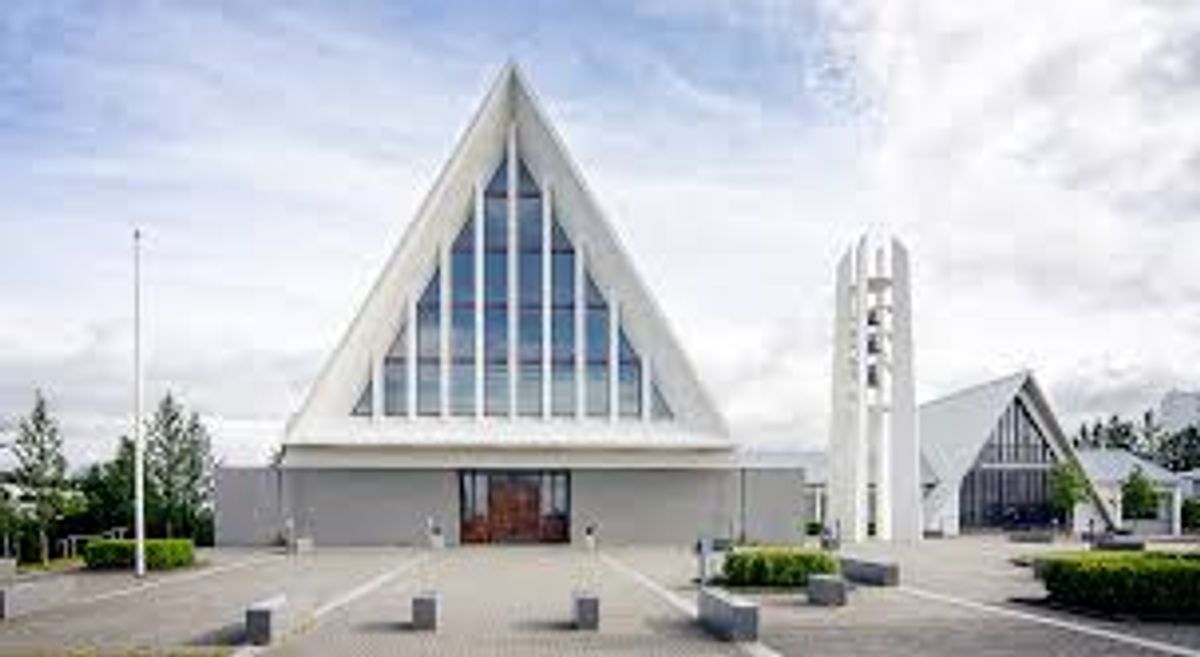
A stunning example of modern Icelandic architecture with its iconic triangular design.
At a Glance
Visit time
30–45 minutes
Best season
Daytime for photography and architectural appreciation; check local schedules for service times if you wish to attend.
Access
Easily accessible by car or public transport in Reykjavík; ample parking is usually available in the vicinity.
GPS
64.1356, -21.8575
About
About Langholtskirkja
A stunning example of modern Icelandic architecture with its iconic triangular design.
Admire its unique modernist architecture and experience a contemporary Icelandic community church.
Background
History & Background
While the stunning Langholtskirkja visible today is a beacon of modern Icelandic architecture, the ecclesiastical history associated with the name 'Langholt' stretches back centuries. Historical accounts mention earlier churches in the area; for instance, a turf church in Langholt was rebuilt in 1831, followed by a timber church constructed in 1855. This long tradition of worship in the region culminates in the contemporary Langholtskirkja, designed by the acclaimed architect Ragnar Örn Ólafsson. Consecrated on July 10, 1988, the current church swiftly became a prominent landmark in Reykjavík due to its distinctive modernist style. Its bold, triangular form and separate, elegant bell tower represent a significant departure from traditional church designs, reflecting a modern vision while continuing a rich spiritual legacy.
Langholtskirkja is a captivating example of modern Icelandic ecclesiastical architecture, situated in Reykjavík. Designed by Ragnar Örn Ólafsson and consecrated on July 10, 1988, the church immediately draws the eye with its bold, triangular main facade, clean white lines, and large vertical window panes that allow natural light to flood the interior. Standing apart from the main building is its equally striking, slender bell tower, a graceful structure with open arches at its summit. The surrounding plaza, with its minimalist concrete benches and well-maintained greenery, provides a serene approach to this contemporary sanctuary. While the building itself is a modern creation, the name 'Langholt' is associated with a long ecclesiastical heritage, with historical records pointing to earlier turf and timber churches in the broader area. Visiting Langholtskirkja offers a chance to appreciate a significant piece of modern Icelandic design, experience a vibrant local community church, and reflect on the evolving architectural landscape of the country.
Folklore
Story & Folklore
In the heart of Reykjavík, Langholtskirkja rises like a modern beacon, a testament to faith and innovative design. Consecrated in 1988, this architectural marvel was envisioned by Ragnar Örn Ólafsson, who dared to break from traditional church forms. Imagine the local community watching as its sharp, white triangular facade took shape against the Icelandic sky, its tall, separate bell tower reaching upwards. It quickly became more than just a place of worship; it became a symbol of the neighborhood's spirit and a gathering place for celebrations and solace. Its clean lines and inviting entrance, framed by large vertical windows, welcome all who seek a moment of peace or wish to admire its unique beauty, making it a beloved fixture in the city's modern landscape.
💡 Did You Know?
The church's distinctive triangular design, conceived by architect Ragnar Örn Ólafsson, makes it one of Reykjavík's most recognizable modern landmarks.
Local Legend
The Tale of Erasmus Halldórsson and His Two Loves
From an older church tradition associated with the 'Langholt' area, a fascinating tale endures about Erasmus Halldórsson (1786-1873). A wooden plank, once adorning a grave, tells of Erasmus and his two wives: Fídes Árnadóttir and Karítas Brynjólfsdóttir. It's considered a curious coincidence, as 'Fídes' means faith and 'Karítas' means charity, weaving a poetic layer into the local history of love and devotion.
Experiences
Tours Near Langholtskirkja
Best-rated Iceland experiences — book with free cancellation


Culture
Stories & Legends
Icelandic sagas and folklore from this area
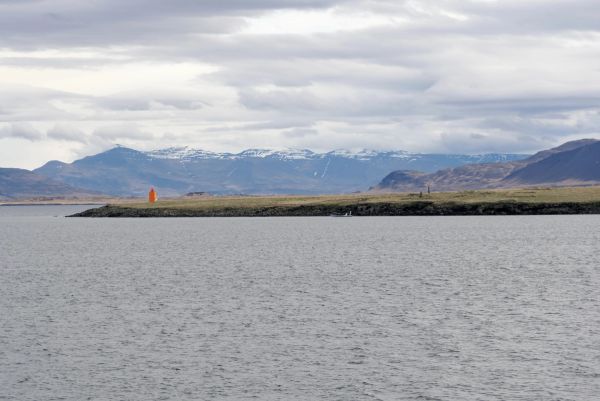
Engey
Engey is a historic location in Iceland mentioned in "Njáls saga", one of the ancient Íslendingasögur (Sagas of Icelanders). These medieval narratives preserve the history of Iceland's Viking Age settlement.
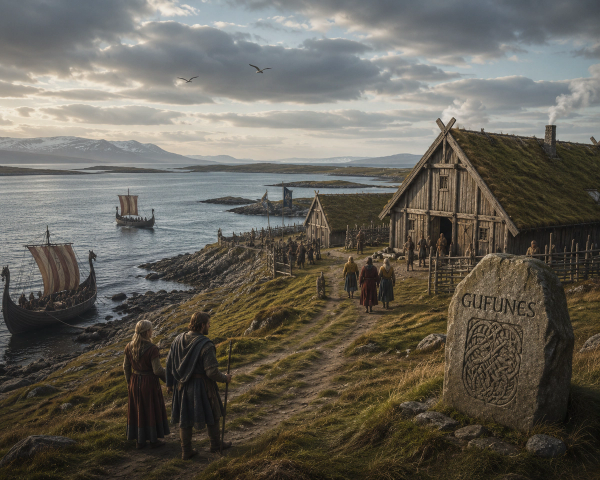
Gufunes
Gufunes is a historic location in Iceland mentioned in "Egils saga", one of the ancient Íslendingasögur (Sagas of Icelanders). These medieval narratives preserve the history of Iceland's Viking Age settlement.

Reykjavík
Reykjavík is a historic location in Iceland mentioned in "Harðar saga og Hólmverja", one of the ancient Íslendingasögur (Sagas of Icelanders). These medieval narratives preserve the history of Iceland's Viking Age settlement.
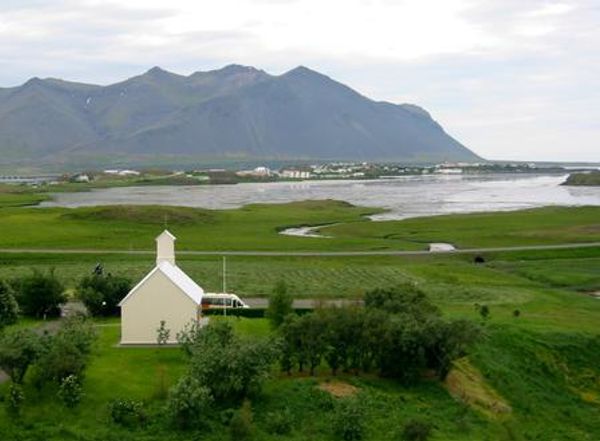
Þerneyjarsund
Þerneyjarsund is a historic location in Iceland mentioned in "Kjalnesinga saga", one of the ancient Íslendingasögur (Sagas of Icelanders). These medieval narratives preserve the history of Iceland's Viking Age settlement.
Explore
Hidden Gems Nearby
✦ Interior Light Play
Step inside to witness how the large vertical windows of the triangular facade bathe the minimalist interior in natural light, creating a serene and uplifting atmosphere.
The interior's design beautifully complements the exterior, offering a peaceful space for contemplation.
✦ The Bell Tower's Perspective
While not always accessible, viewing the separate bell tower up close reveals its elegant, open arches and clean lines, a perfect photo opportunity from the plaza.
Its unique design as a standalone structure highlights the church's modern aesthetic.
Help
Frequently Asked Questions
Location
📍 Location
Discover
Explore Nearby
Places from our database within 1.0 km — all data from Sanity
Loading nearby places…
0 places found within 1.0 km
Plan full itinerary →Explore More