Laugardalsvöllur
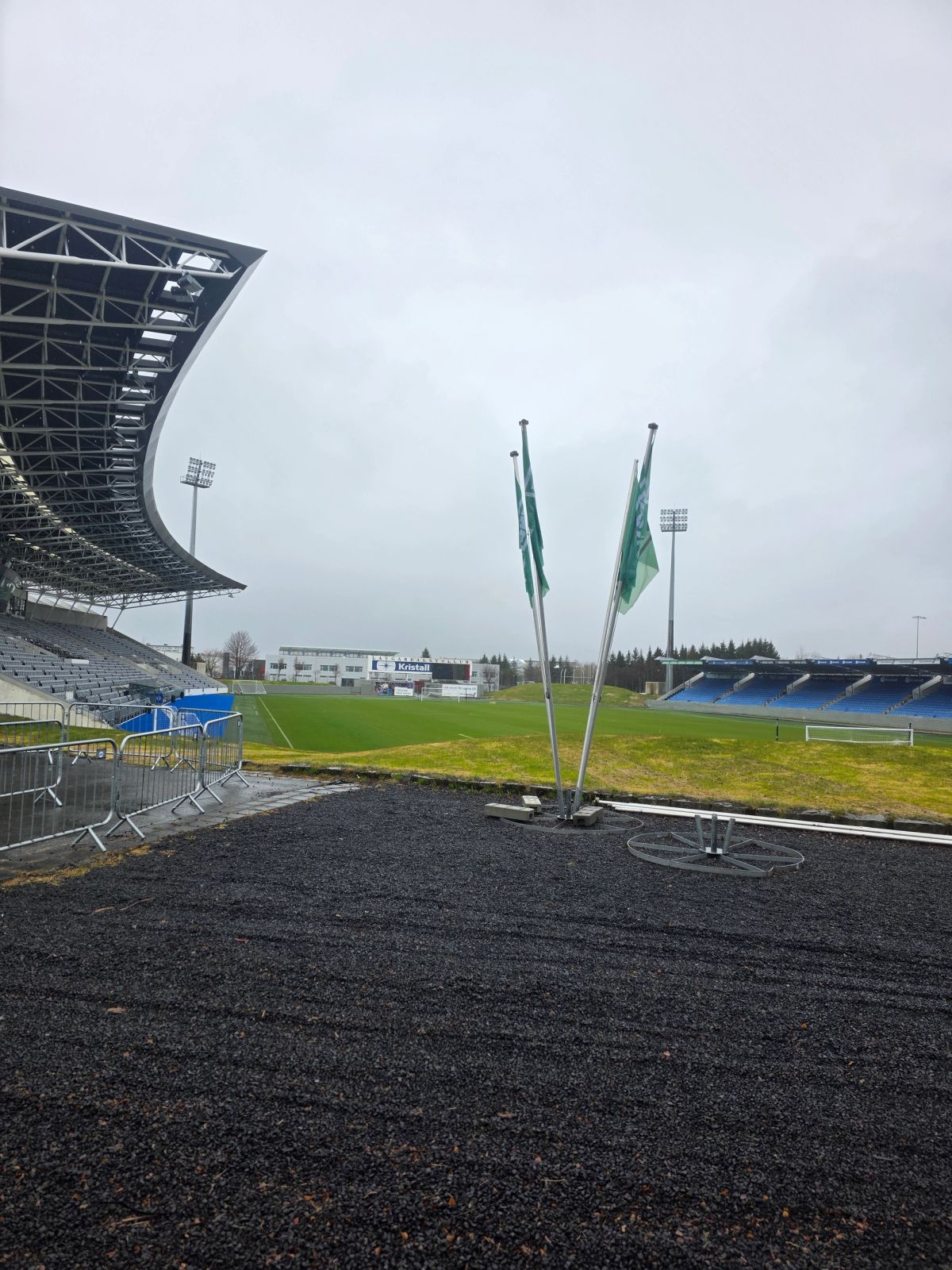
Iceland's national stadium, a vibrant heart of sports and national pride in Reykjavík.
At a Glance
Visit time
2-3 horas (para un partido); 30 minutos (para una visita casual).
Best season
Días de partido durante la temporada de fútbol (mayo-octubre), especialmente partidos nocturnos.
Access
Ubicado en Laugardalur, fácilmente accesible en autobús público (Strætó) desde el centro de Reikiavik o en coche con amplio estacionamiento.
GPS
64.1436, -21.8789
About
About Laugardalsvöllur
Iceland's national stadium, a vibrant heart of sports and national pride in Reykjavík.
Experience the electric atmosphere of Icelandic football, especially during a national team match.
Background
History & Background
The origins of Laugardalsvöllur trace back to the mid-20th century, a time when organized sport in Iceland was gaining significant traction. Before its construction, major football matches were often played on less formal pitches. The vision for a dedicated national stadium in Laugardalur, a district known for its geothermal activity and recreational potential, began to materialize in the 1950s. Construction commenced, culminating in the stadium's official opening in 1959. Initially, it was a more modest facility, but its importance as the home ground for the Icelandic national football team was immediately cemented. Over the decades, Laugardalsvöllur has undergone several significant renovations and expansions to meet international standards and accommodate growing crowds. Key upgrades have included the addition of seating, improved facilities for players and spectators, and enhanced lighting. These developments have transformed it into a modern UEFA-approved stadium capable of hosting high-profile international fixtures, including World Cup and European Championship qualifiers, as well as UEFA Nations League matches. Its evolution mirrors the growth and increasing success of Icelandic football on the global stage.
Laugardalsvöllur, nestled within Reykjavík's sprawling Laugardalur sports and recreation park, stands as the undisputed home of Icelandic football. Opened in 1959, this stadium has evolved from a humble pitch into a modern arena capable of hosting major international sporting events and concerts. While primarily known as the national football stadium, it also serves as a vibrant cultural hub, hosting concerts by renowned international artists. Visitors can explore the stadium's exterior, soak in the atmosphere of the surrounding park, or, ideally, catch a live match. Attending an international qualifier or a local league game offers a unique insight into the fervent passion Icelanders have for their sports. The stadium's location in Laugardalur means it's surrounded by other attractions like the Reykjavík Botanical Garden, the Laugardalslaug thermal pool, and the Family Park and Zoo, making it part of a larger recreational outing. Even outside of match days, the stadium's presence is significant, a symbol of national achievement and aspiration. For sports enthusiasts, it’s a pilgrimage site; for general tourists, it’s a chance to witness a slice of authentic Icelandic life. Plan your visit around the football season (typically May to October) to maximize your chances of experiencing the stadium in its full, roaring glory.
Folklore
Story & Folklore
Imagine the roar. It's a chilly autumn evening, but the air inside Laugardalsvöllur crackles with anticipation. Thousands of voices, a sea of blue and white, are united by one dream. The Icelandic national team is playing a crucial qualifier. Every pass, every tackle, elicits a collective gasp or cheer that vibrates through the stands. The smell of hot dogs mixes with the crisp air. As the ball hits the back of the net, the stadium erupts – a primal scream of joy, flags waving furiously. Strangers embrace, tears of happiness stream down faces. This isn't just a game; it's a communal experience, a powerful reminder of how sport can unite a nation, making Laugardalsvöllur not just a venue, but a crucible of national identity.
💡 Did You Know?
Despite Iceland's small population, Laugardalsvöllur frequently sells out for major international matches.
Local Legend
El Rugido del Jugador Número 12
Se dice que en las noches de partidos cruciales, el rugido colectivo de los aficionados islandeses en Laugardalsvöllur se vuelve tan poderoso que forma un espíritu de 'jugador número 12'. Se cree que esta fuerza invisible inspira a los jugadores a esfuerzos sobrehumanos e intimida a los oponentes, guiando el balón hacia la red en momentos de pura magia.
Experiences
Tours Near Laugardalsvöllur
Best-rated Iceland experiences — book with free cancellation


Culture
Stories & Legends
Icelandic sagas and folklore from this area
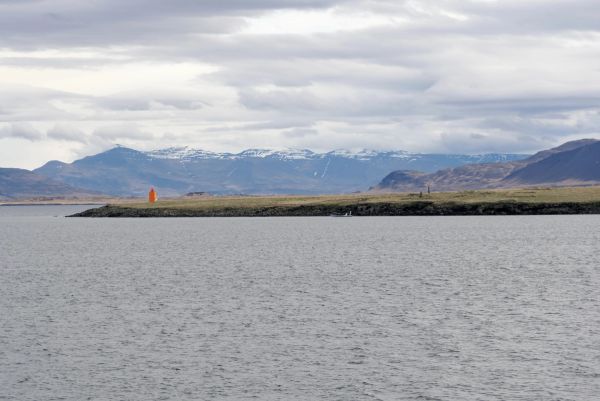
Engey
Engey is a historic location in Iceland mentioned in "Njáls saga", one of the ancient Íslendingasögur (Sagas of Icelanders). These medieval narratives preserve the history of Iceland's Viking Age settlement.
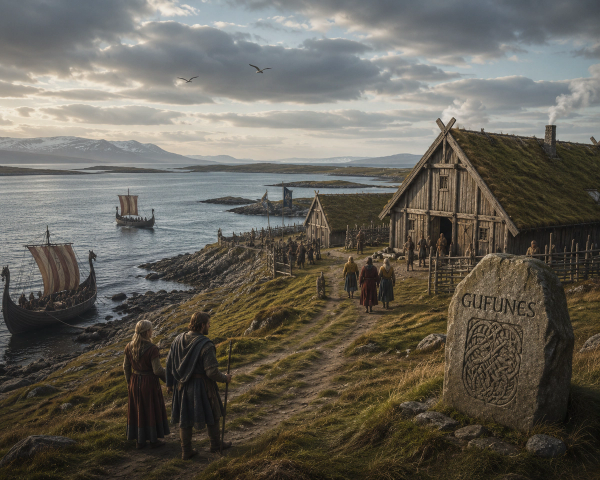
Gufunes
Gufunes is a historic location in Iceland mentioned in "Egils saga", one of the ancient Íslendingasögur (Sagas of Icelanders). These medieval narratives preserve the history of Iceland's Viking Age settlement.

Reykjavík
Reykjavík is a historic location in Iceland mentioned in "Harðar saga og Hólmverja", one of the ancient Íslendingasögur (Sagas of Icelanders). These medieval narratives preserve the history of Iceland's Viking Age settlement.
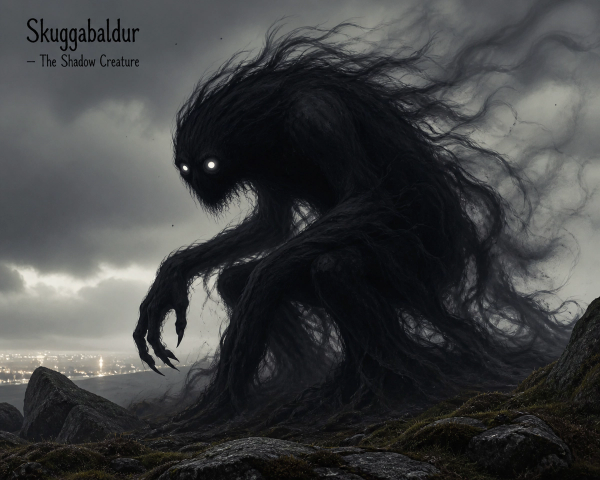
Skuggabaldur – The Shadow Creature
Skuggabaldur: A phantom dog guarding forgotten paths.
Location
📍 Location
Discover
Explore Nearby
Places from our database within 1.0 km — all data from Sanity
Loading nearby places…
0 places found within 1.0 km
Plan full itinerary →Explore More