Reykjavík 871±2
Journey back to the Viking Age and uncover Reykjavík's earliest foundations beneath the modern city.
About
About Reykjavík 871±2
Journey back to the Viking Age and uncover Reykjavík's earliest foundations beneath the modern city.
Witness the actual foundations of Reykjavík's first Viking settlement, preserved for over a millennium.
Background
History & Background
The story of Reykjavík 871±2 begins with a remarkable archaeological discovery. During construction work in 2001, excavators unearthed the remains of a significant Viking Age longhouse, dating back to the settlement era. What made this find particularly extraordinary was the presence of a distinct layer of volcanic ash, or tephra, directly above the ruins. This tephra layer, originating from an eruption of the Torfajökull volcano, has been precisely dated to 871 AD, with a margin of error of just two years. This geological "timestamp" provides irrefutable evidence that the longhouse was built and inhabited around the time of Iceland's earliest known permanent settlement. This longhouse is believed to be among the very first structures built in Reykjavík, offering tangible proof of the sagas' accounts of Ingólfur Arnarson, traditionally considered Iceland's first permanent Norse settler. The site also includes a 10th-century stone wall, believed to be part of an enclosure, indicating continuous habitation and development in the area long before Reykjavík officially became a town. The decision to build a museum directly over these preserved ruins ensures that this pivotal piece of Icelandic heritage is protected and made accessible, allowing future generations to connect directly with the island's foundational moments.
Reykjavík 871±2 offers a profound journey into Iceland's foundational history, centered around the archaeological excavation of the oldest human settlement remains in Reykjavík. This award-winning museum is built directly over the preserved ruins of a Viking Age longhouse and a stone wall from the 10th century. The museum's name refers to the year 871, plus or minus two years, which is the precise dating of a volcanic ash layer (tephra) that covered the site, perfectly preserving it like a time capsule for over a millennium. Visitors can walk above the actual longhouse foundations, illuminated and expertly presented with modern interpretative techniques. Interactive exhibits, cutting-edge multimedia displays, and virtual reality experiences bring the daily life of Iceland's first settlers vividly to life. Explore reconstructed tools, domestic artifacts, and delve into the sagas associated with the early inhabitants, gaining a tangible connection to their struggles and triumphs. The museum masterfully blends historical accuracy with engaging storytelling, making complex archaeological findings accessible and fascinating for all ages, from curious children to seasoned historians. It's a powerful testament to the resilience and ingenuity of those who first called this rugged land home, providing an unparalleled insight into the very origins of Reykjavík and indeed, the Icelandic nation.
Folklore
Story & Folklore
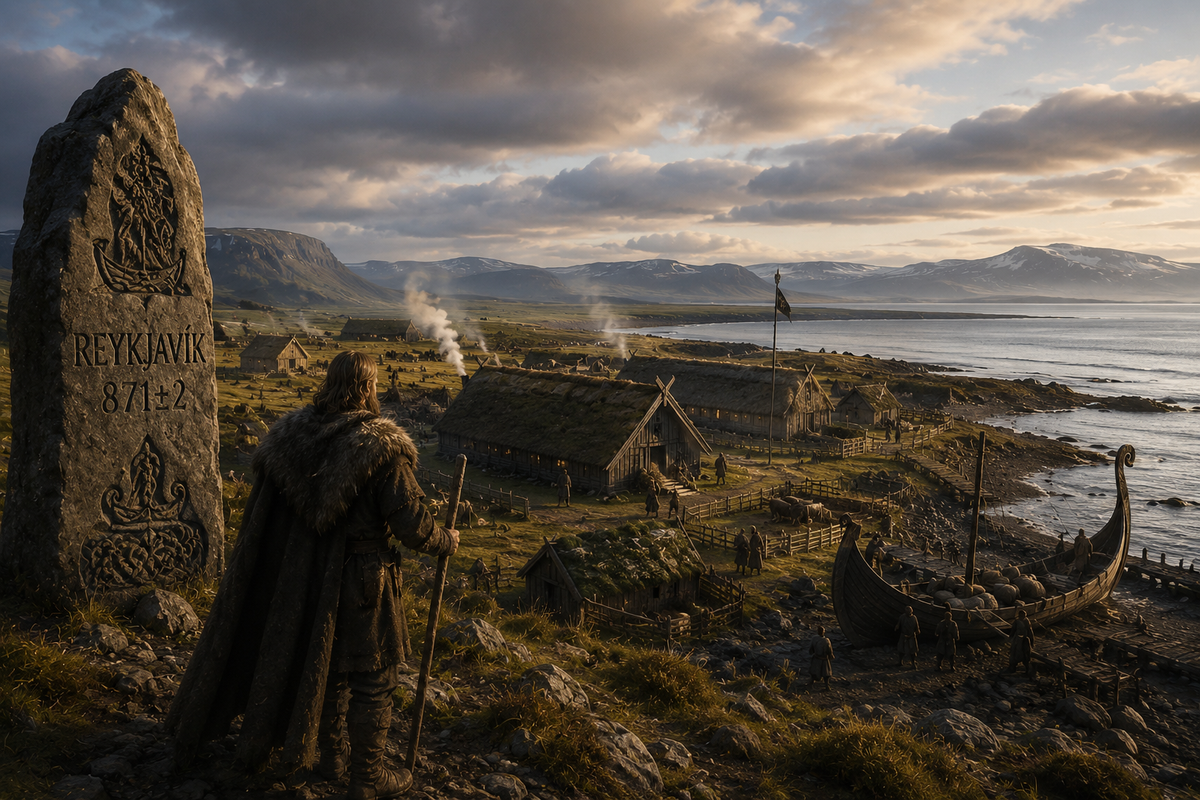
Imagine the crisp Icelandic air biting at your cheeks, not far from where you stand today. It's the late 9th century, and the first permanent settlers have arrived on these shores. A family huddles within the sturdy walls of a newly built longhouse, its turf roof a beacon against the vast, untamed landscape. Smoke curls from the central hearth, warming the space where stories are shared, meals prepared, and tools crafted. Children play, their laughter echoing off the rough-hewn timbers, oblivious to the fact that their home is laying the very groundwork for a future capital. Then, the sky darkens. Ash begins to fall, a silent shroud from a distant eruption, gently burying their lives, preserving their legacy for over a thousand years until its rediscovery.
💡 Did You Know?
The museum's name, 871±2, refers to the precise year of the volcanic ash layer (tephra) found above the longhouse ruins.
Local Legend
The Whispering Stones of the First Fire
It is said that on quiet nights, if you listen closely within the museum, you can hear the faint whispers of the first settlers. Some believe the spirits of those who built the longhouse still tend to an invisible hearth, ensuring the flame of Icelandic heritage is never truly extinguished.
Experiences
Tours Near Reykjavík 871±2
Best-rated Iceland experiences — book with free cancellation


Culture
Stories & Legends
Icelandic sagas and folklore from this area
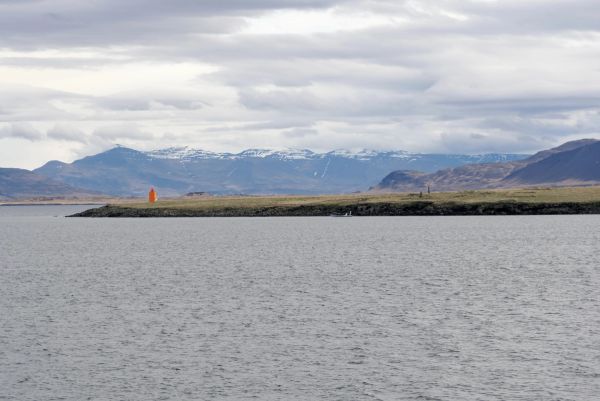
Engey
Engey is a historic location in Iceland mentioned in "Njáls saga", one of the ancient Íslendingasögur (Sagas of Icelanders). These medieval narratives preserve the history of Iceland's Viking Age settlement.

Reykjavík
Reykjavík is a historic location in Iceland mentioned in "Harðar saga og Hólmverja", one of the ancient Íslendingasögur (Sagas of Icelanders). These medieval narratives preserve the history of Iceland's Viking Age settlement.
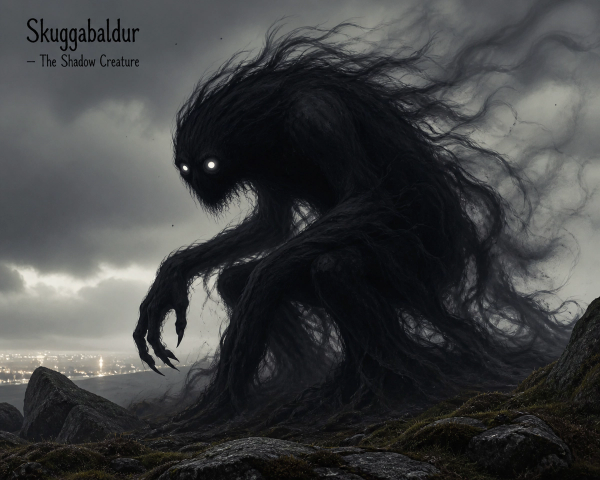
Skuggabaldur – The Shadow Creature
Skuggabaldur: A phantom dog guarding forgotten paths.
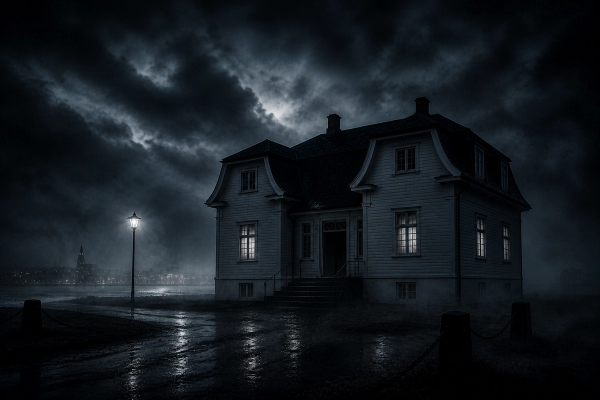
Höfði House – Reykjavík's Haunted Mansion
Höfði House: Reykjavík's historic mansion with a chilling paranormal past.
Location
📍 Location
Discover
Explore Nearby
Places from our database within 1.0 km — all data from Sanity
Loading nearby places…
0 places found within 1.0 km
Plan full itinerary →Explore More