
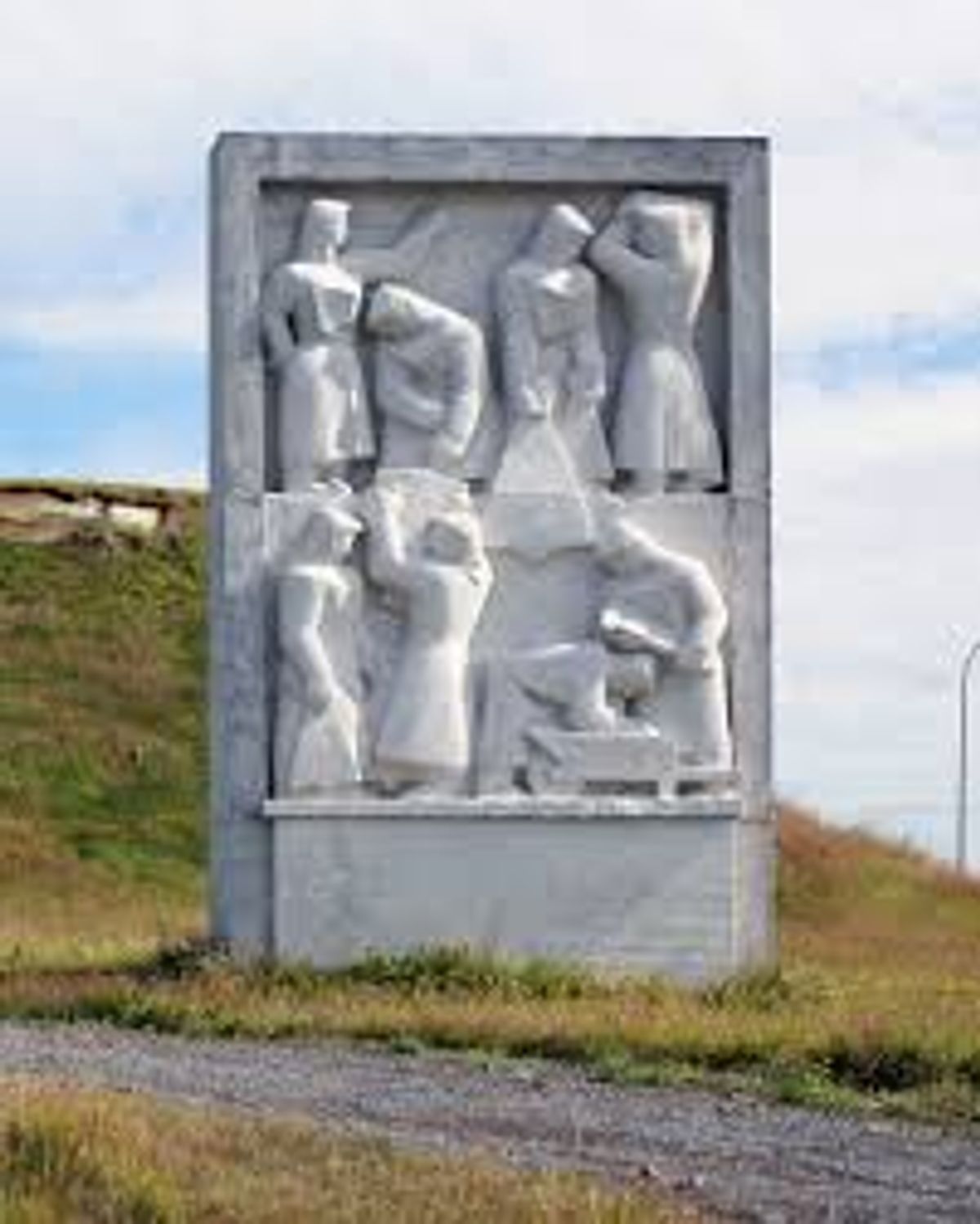
Saltfiskstöflun
A monumental stone relief celebrating Iceland's enduring connection to the sea and its fishing heritage.
About
About Saltfiskstöflun
A monumental stone relief celebrating Iceland's enduring connection to the sea and its fishing heritage.
Discover a powerful artistic tribute to Iceland's fishing heritage and the hardworking spirit of its people.
Background
History & Background
Saltfiskstöflun emerged from Iceland's rich tradition of public art, often reflecting national identity and key industries. While specific dates of creation and the artist's name are not widely publicized, the style suggests a mid-20th-century origin, a period when public works often celebrated the working class and national endeavors. The theme of saltfish processing is historically significant, as dried and salted cod ('saltfiskur') was for centuries a primary export and the economic backbone of Iceland, particularly after the advent of modern fishing techniques in the late 19th and early 20th centuries. The artwork stands as a permanent tribute to the countless men and women whose labor sustained the nation. It represents the collective effort and the often-arduous work involved in harvesting and preserving the ocean's bounty, a testament to the resilience and resourcefulness of the Icelandic people. Its placement in the Capital Region ensures its visibility and continued relevance as a symbol of the country's enduring connection to its maritime past and present.
Saltfiskstöflun is a significant public artwork located in the Capital Region of Iceland, offering a compelling visual narrative of the country's deep-rooted fishing traditions. This large, rectangular stone relief features multiple stylized figures, both male and female, depicted in various stages of handling and stacking fish, likely cod, which was traditionally salted for preservation and export. The artwork's clean, robust lines and monumental scale evoke a sense of strength and dedication, reflecting the hard work and resilience of the Icelandic people who have relied on the sea for their livelihood for centuries. Situated outdoors, the light-colored stone contrasts beautifully with the often-dramatic Icelandic sky, making it a contemplative stop for visitors. It serves as a poignant reminder of Iceland's economic history and cultural identity, where the ocean's bounty and human ingenuity have always been intertwined. Visiting Saltfiskstöflun provides a unique opportunity to connect with this fundamental aspect of Icelandic heritage through the enduring power of public art.
Folklore
Story & Folklore
Nestled on a gentle slope in the Capital Region, Saltfiskstöflun stands as a silent, powerful storyteller. This monumental stone relief, with its clean lines and robust figures, captures a moment frozen in time: the diligent work of handling and stacking saltfish. For centuries, the sea has been both provider and challenge for Icelanders, and the processing of fish – especially salting for preservation and export – was the lifeblood of the nation. As you gaze upon the determined faces and strong postures carved into the stone, you can almost hear the rhythmic sounds of the harbor and feel the enduring spirit of a people shaped by the ocean. It's a tribute not just to an industry, but to the collective effort and resilience that built modern Iceland, reminding us of the deep connection between the land, the sea, and its resourceful inhabitants.
💡 Did You Know?
The artwork's name, 'Saltfiskstöflun,' directly translates to 'Stacking Saltfish,' highlighting the historical importance of salted cod to Iceland's economy and survival.
Local Legend
The Enduring Spirit of the Fishers
Legend says that on still mornings, if you listen closely to the breeze around Saltfiskstöflun, you can hear the faint whispers of past generations. It's the collective spirit of the fishers and processors, forever bound to the stone, ensuring the sea's bounty continues to bless the Icelandic shores.
Experiences
Tours Near Saltfiskstöflun
Best-rated Iceland experiences — book with free cancellation


Culture
Stories & Legends
Icelandic sagas and folklore from this area
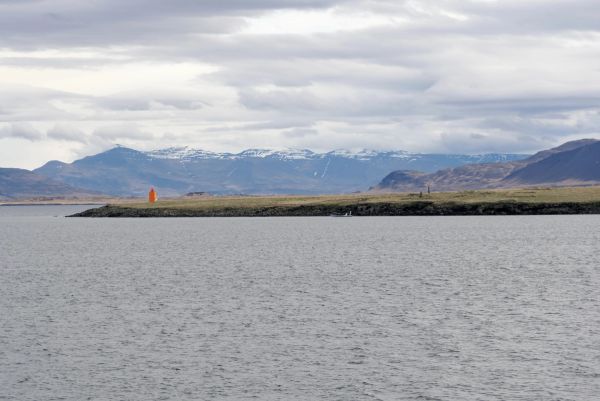
Engey
Engey is a historic location in Iceland mentioned in "Njáls saga", one of the ancient Íslendingasögur (Sagas of Icelanders). These medieval narratives preserve the history of Iceland's Viking Age settlement.
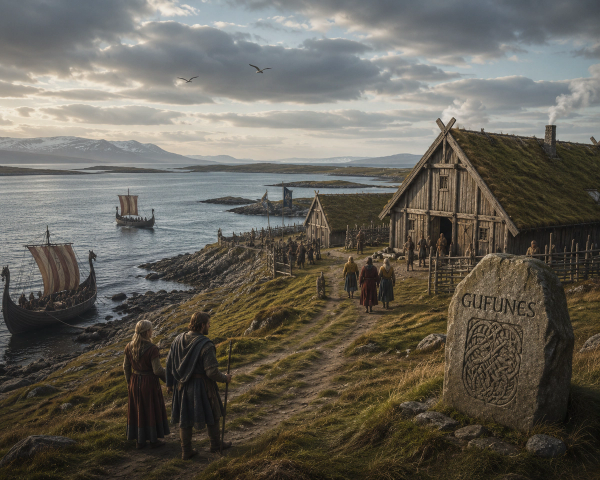
Gufunes
Gufunes is a historic location in Iceland mentioned in "Egils saga", one of the ancient Íslendingasögur (Sagas of Icelanders). These medieval narratives preserve the history of Iceland's Viking Age settlement.

Reykjavík
Reykjavík is a historic location in Iceland mentioned in "Harðar saga og Hólmverja", one of the ancient Íslendingasögur (Sagas of Icelanders). These medieval narratives preserve the history of Iceland's Viking Age settlement.
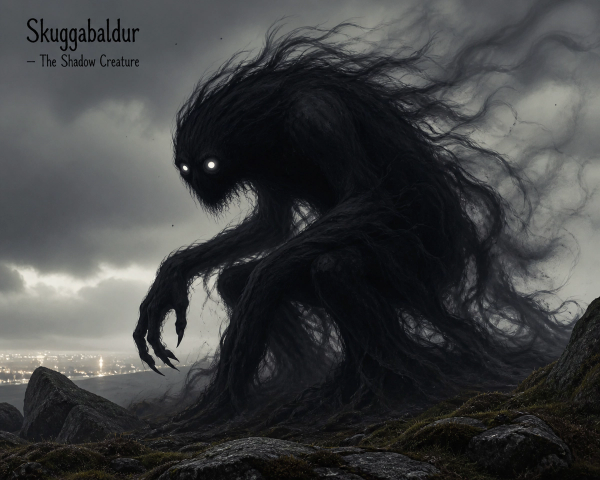
Skuggabaldur – The Shadow Creature
Skuggabaldur: A phantom dog guarding forgotten paths.
Explore
Hidden Gems Nearby
✦ The Intricate Details
Take a moment to observe the subtle expressions and powerful musculature of the stylized figures. Each pose tells a story of effort and dedication, revealing the artist's keen observation of human labor.
The artistic nuances offer a deeper appreciation of the work's historical and cultural context.
✦ Panoramic Viewpoint (nearby)
While the artwork itself is the focus, its location often provides a glimpse of the surrounding landscape, including distant views of the sea or the city, depending on the exact spot.
Combines artistic appreciation with a broader understanding of the Capital Region's setting.
Help
Frequently Asked Questions
Location
📍 Location
Discover
Explore Nearby
Places from our database within 1.0 km — all data from Sanity
Loading nearby places…
0 places found within 1.0 km
Plan full itinerary →Explore More