 Cancelación gratuita
SkyChaseTM | Northern Lights Experience - Fotografía gratis y más
★4.8(791)
5 hours
Desde $335
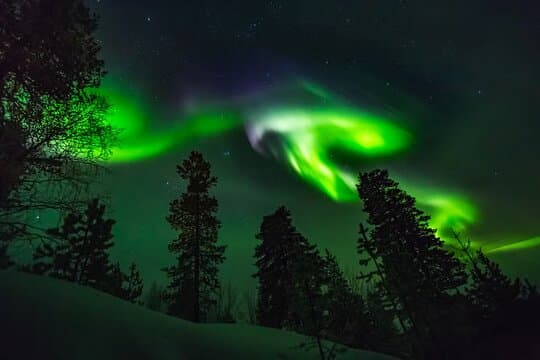
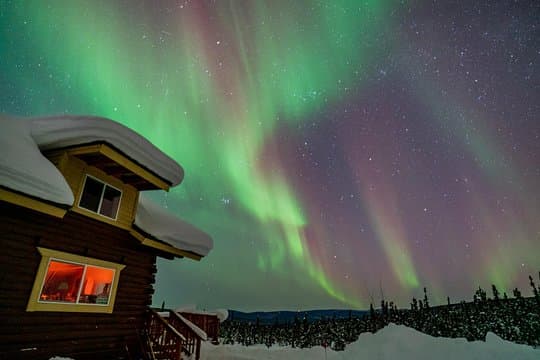
The Aurora Borealis is one of the most sought-after natural experiences on earth — and Iceland is one of the best places on the planet to see it. But northern lights require the right conditions: darkness, solar activity and clear skies. This guide gives you everything you need to maximise your chances.
The Northern Lights are visible in Iceland from late August to mid-April — any time when the nights are long enough to create true darkness. The core season is October to February, when you get 10–18 hours of darkness per night.
Summer (June–August) is aurora-free: Iceland's midnight sun means there is no astronomical darkness. If seeing the Northern Lights is a priority, plan your trip between October and March.
The KP index (0–9) measures geomagnetic storm activity. The higher the KP, the more active and visible the aurora. In Iceland, you typically need KP 2 or above to see the aurora. KP 4 or above gives a vivid display across a large part of the sky.
Track tonight's forecast at aurora.vedur.is — Iceland's own aurora forecast service. Cloud cover is often more of a limiting factor than the KP index. Clear skies with a KP of 2 will beat a stormy KP of 8.
Get away from city light pollution. Even 30 minutes outside Reykjavík dramatically improves your chances. Iceland's dark skies — and reflective landscapes — make it ideal aurora territory.
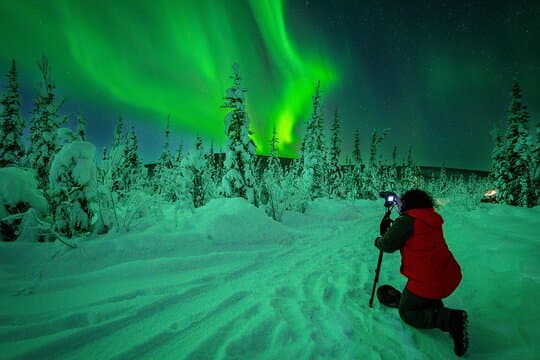
You do not need professional equipment to photograph the aurora — a modern smartphone on night mode or a basic DSLR with manual controls will work well. The key requirements are: a tripod, manual settings and patience.
Cancelación gratuita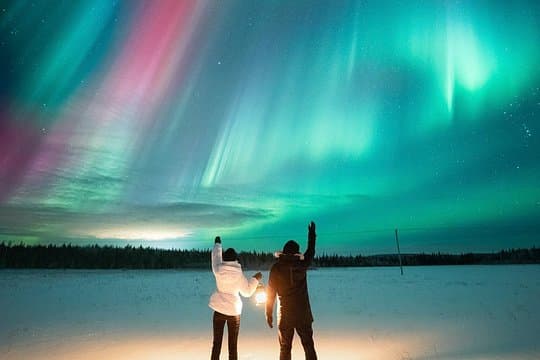 Cancelación gratuita
 Cancelación gratuita
 Cancelación gratuita