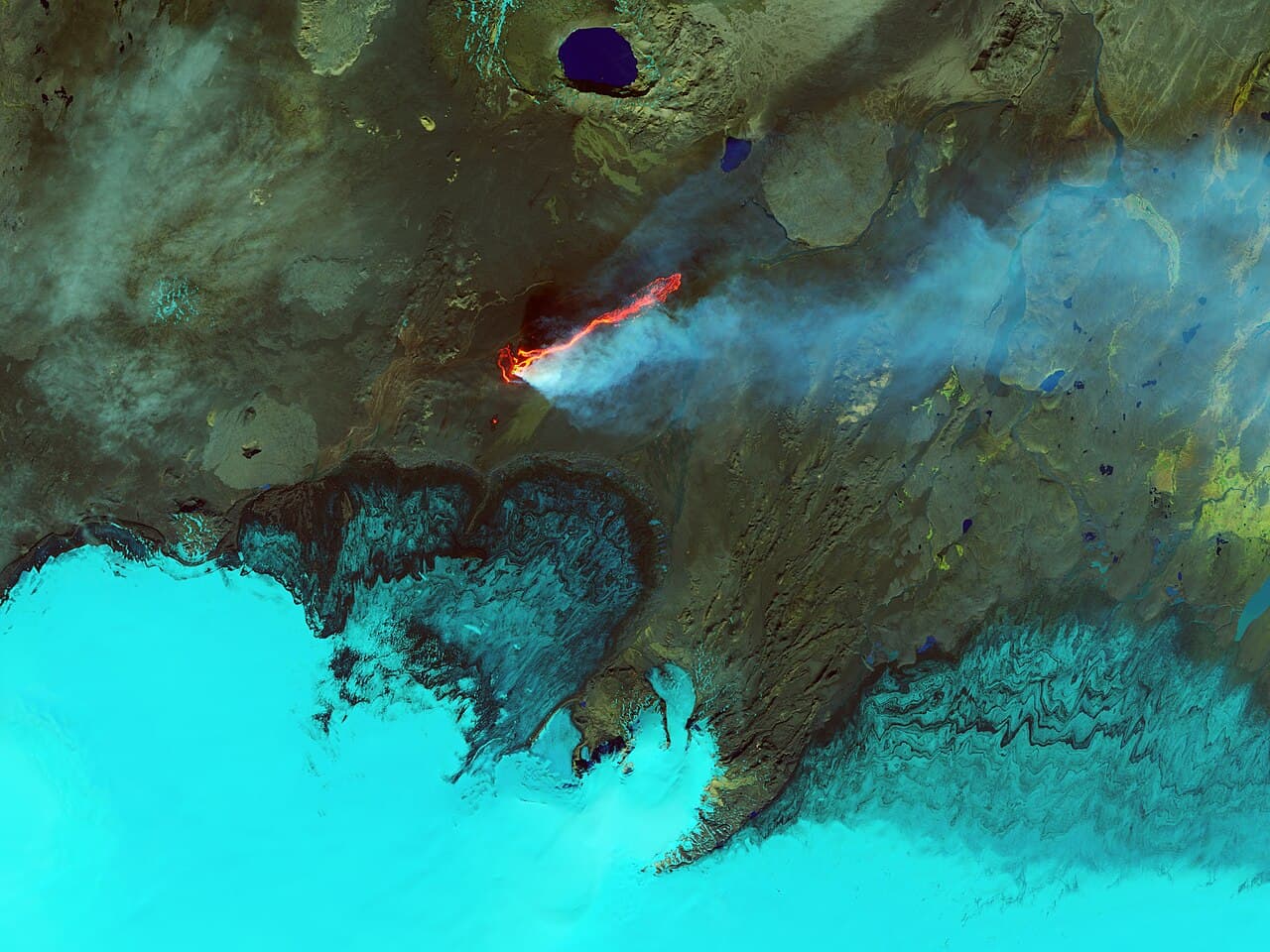
Iceland in winter (November–March) offers something no other season can match: natural ice caves glowing electric blue, Northern Lights dancing above snow-covered volcanoes, and a sense of raw, unfiltered Iceland without the summer crowds. It requires preparation — but the rewards are extraordinary.
Why visit Iceland in winter
Winter is when Iceland is at its most elemental. The summer tourist crowds have gone. Prices drop significantly — flights and accommodation can be 30–50% cheaper than peak July. And winter unlocks experiences that simply do not exist in summer: natural ice caves, the darkest Northern Lights skies, and the otherworldly blue light of a short Icelandic winter day.
The trade-off is real: fewer daylight hours (as little as 4–5 hours in December), colder temperatures (-2°C to 5°C in Reykjavík), and roads that require more caution. F-roads are completely closed. But with preparation, winter travel is both safe and deeply rewarding.
Ice caves
Iceland's natural glacier ice caves are only accessible November through March, when the ice is stable enough for guided entry. The most famous are the blue diamond ice caves near Jökulsárlón in Vatnajökull glacier — reached via a short super jeep ride from the glacier lagoon car park.
Ice cave access is strictly guided — independent entry is not permitted and is genuinely dangerous. Guided ice cave tours depart daily from Jökulsárlón when conditions allow.
- •Season: November–March (weather dependent)
- •Location: Vatnajökull glacier, near Jökulsárlón
- •Access: Guided tours only — independent entry forbidden
- •Availability: Book well in advance — tours sell out weeks ahead in December and January
Northern Lights season
Winter is the heart of aurora season. December gives you up to 18 hours of darkness in Reykjavík — a massive window for aurora hunting. January and February often combine long dark nights with clearer weather patterns than December.
The key is flexibility. The Northern Lights require clear skies AND solar activity. If you can stay multiple nights and be prepared to drive away from cloud, your chances improve dramatically. The south coast and Þingvellir are popular aurora spots within easy reach of Reykjavík.
What to pack for winter
Layering is essential. Iceland's winter weather can shift from clear skies to driving sleet within an hour. The correct layering system keeps you comfortable in all conditions.
- •Thermal base layer — merino wool or quality synthetic (avoid cotton)
- •Mid layer — fleece or down jacket
- •Outer layer — windproof and waterproof shell jacket
- •Waterproof, insulated boots rated to -15°C or colder
- •Wool or thermal hat, warm gloves, neck gaiter
- •Hand warmers — useful for extended outdoor photography
- •Microspike traction devices for icy pavements
Driving in winter
The Ring Road stays open year-round and is kept clear by Iceland's road authority. But winter driving requires significantly more care than summer. Black ice is common, visibility can drop suddenly in wind-driven snow, and some mountain sections close temporarily during storms.
- •Check road.is every morning — road closures and conditions updated in real time
- •Rent a 4WD for added confidence on snow and ice
- •F-roads are completely closed October–June. Do not attempt them.
- •Drive to conditions — speed limits are maximums, not targets
- •Keep a full fuel tank — Highland petrol stations close in winter
- •Register your route at safetravel.is before driving remote areas